
Brahea dulcis
Brahea dulcis
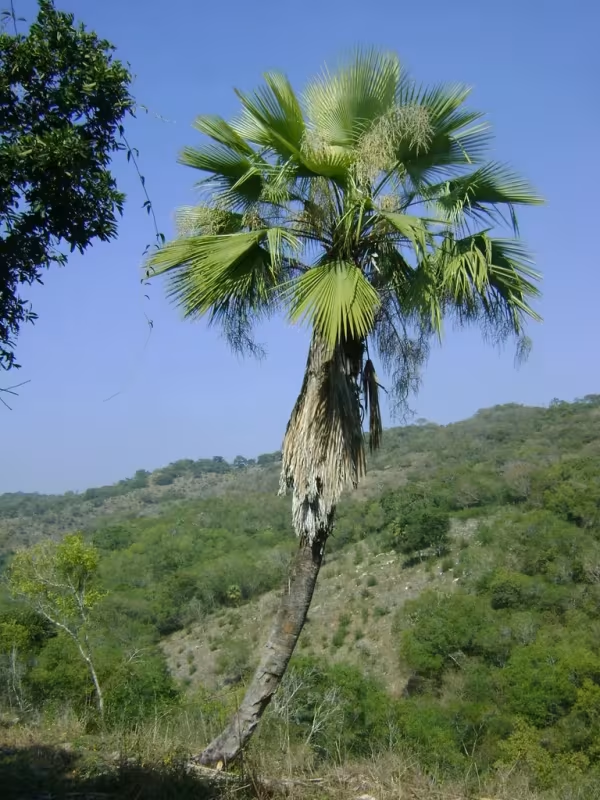
Description
Sowing dates
Propagation of Brahea dulcis is primarily achieved through seeds. For the best germination rates, seeds should be sown fresh, as their viability decreases significantly over time if stored improperly.
A warm, well-draining substrate is essential for seed development. The optimal temperature range for germination is between 25 and 28 degrees Celsius, often maintained using a heating mat.
Germination is a slow process that can take several months. Constant, moderate moisture must be maintained, but the soil should never become waterlogged to prevent fungal growth on the seeds.
Once the seedlings develop their first true leaves, they should be carefully transplanted into individual pots. The root system of this palm is quite sensitive, so care must be taken to avoid disturbing the roots during the process.
Early-stage seedlings require partial shade to protect them from direct sunlight, which can easily scorch the immature leaves before the plant has established a robust root system.
Growing requirements
Brahea dulcis is a member of the Arecaceae family, native to the arid and mountainous regions of Mexico and Central America. It thrives in well-drained, nutrient-poor, rocky or sandy soils.
This species is highly tolerant of drought once established, making it suitable for areas with distinct wet and dry seasons. It also exhibits moderate cold tolerance, surviving brief dips in temperature.
The plant demands full sun to achieve its maximum decorative potential. In low-light conditions, the palm becomes stunted, and the characteristic blue-green foliage loses its vibrant hue.
Irrigation should be managed carefully, allowing the soil to dry out between watering sessions. Overwatering is the most common cause of failure in palm cultivation, particularly in container-grown plants.
Adequate air circulation is crucial to prevent fungal issues. When planting in pots, ensure the container has generous drainage holes and use a soil mix enriched with perlite or gravel.
Yield
Historically, Brahea dulcis has been utilized by indigenous communities for its versatile leaves. The fibers are traditionally harvested to weave high-quality baskets, hats, and other domestic items.
The fruits of the palm are known for their sweet pulp, which is edible. While not a commercial crop on a large scale, the fruit serves as a local food source in the regions where these palms naturally grow.
As a landscape plant, its yield is measured by its ornamental output and slow but steady growth habit. It is highly valued in dry-climate gardening for its architectural form.
Proper fertilization using specialized slow-release palm fertilizers, containing a high ratio of potassium and magnesium, can significantly improve the plant's growth rate and overall vigor.
The harvesting of leaves is typically done sustainably, allowing the plant to continue producing new growth, which is essential for maintaining the local resource base for traditional crafts.
Main diseases and pests
Root rot is the most significant threat to Brahea dulcis, usually caused by poorly drained soil or excessive watering. Once root rot takes hold, it is notoriously difficult to reverse.
Scale insects and spider mites are common pests that target this palm. These pests suck sap from the fronds, leading to discoloration and a decline in the plant's overall health if left untreated.
Mealybugs may also infest the base of the petioles, particularly in plants grown in less than optimal conditions. Regular inspection and the use of insecticidal soaps can manage these populations.
Leaf spot diseases, caused by various fungi, can occur when foliage remains wet for extended periods in humid conditions. Improved ventilation and careful watering can mitigate this risk.
Prevention is the best strategy for managing these threats. This includes keeping the growing area clean, avoiding crowding plants, and immediately isolating any specimen that shows signs of pest infestation.