
Brahea brandegeei
Brahea brandegeei
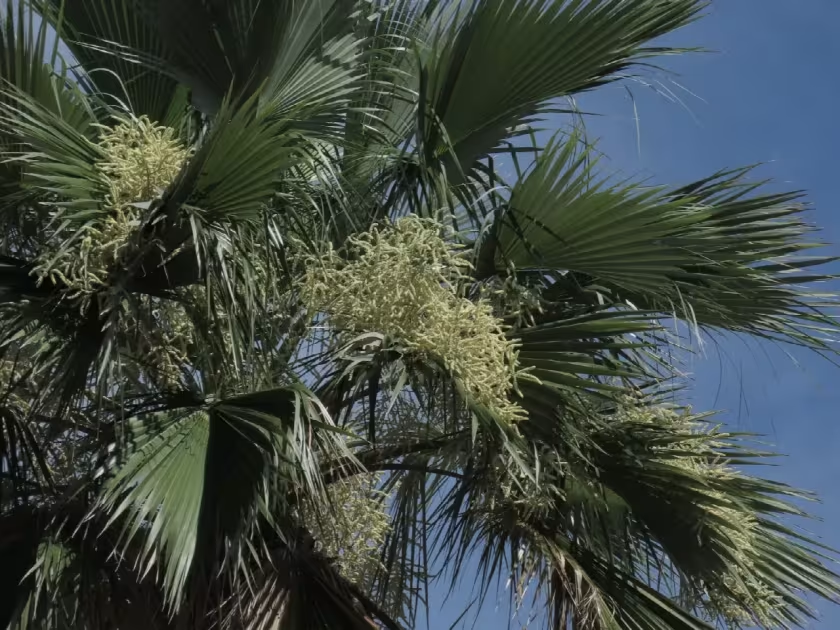
Description
Growing requirements
Brahea brandegeei, commonly known as the San Jose hesper palm, is a member of the Arecaceae family. It is native to the Baja California Peninsula in Mexico, primarily thriving in canyon environments and rocky mountain slopes.
This palm is characterized by its slender, tall trunk and large, fan-shaped, silver-green leaves. It is often favored by gardeners for its relatively fast growth rate compared to other species within the Brahea genus, reaching impressive heights in maturity.
Regarding site selection, it requires full sun exposure and excellent drainage. Sandy or rocky soil compositions are ideal to replicate its natural habitat and prevent root-related issues common in heavy, water-logged soils.
The plant demonstrates moderate cold tolerance, generally handling temperatures down to -6°C. However, it thrives best in warm, dry climates where it can receive sustained sunlight throughout the growing season to ensure healthy foliage development.
In terms of practical usage, Brahea brandegeei is primarily utilized in ornamental horticulture. It serves as an excellent feature tree for large gardens, public boulevards, and xeriscaping projects where drought tolerance is a key requirement.
Main diseases and pests
The primary threats to this palm include fungal infections such as root rot, which are almost always triggered by improper irrigation and poor soil aeration.
Pests such as scale insects and mealybugs can infest the fronds, leading to stunted growth if left untreated during the early stages of colonization.
High humidity combined with low temperatures poses a significant risk to the plant's terminal bud, potentially causing decay that can kill the entire specimen.
Periodic maintenance should include clearing leaf litter around the base to prevent the creation of damp, pathogen-friendly environments near the trunk.
Applying preventative systemic pesticides and ensuring the palm is not over-watered are the most effective strategies for maintaining a healthy and resilient specimen.