
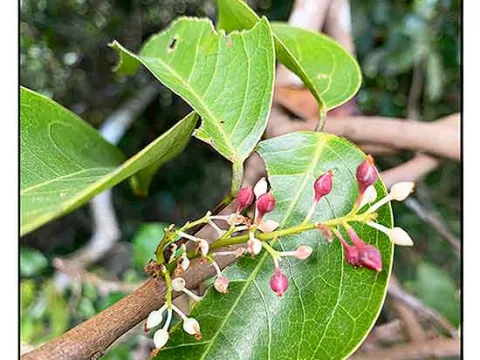
Blumeodendron
Blumeodendron
Blumeodendron is primarily propagated using seeds, which must be collected upon maturity and sown quickly to maintain viability. The seeds are sensitive to desiccation and should be placed in moist, nutrient-rich soil immediately after extraction.
What the section contains
 Blumeodendron endocarpum
Blumeodendron gesinus
Blumeodendron gesinus
Blumeodendron endocarpum
Blumeodendron endocarpum
Blumeodendron gesinus
Blumeodendron gesinus
 Blumeodendron kurzii
Blumeodendron novoguineense
Blumeodendron novoguineense
Blumeodendron philippinense
Blumeodendron philippinense
Blumeodendron kurzii
Blumeodendron kurzii
Blumeodendron novoguineense
Blumeodendron novoguineense
Blumeodendron philippinense
Blumeodendron philippinense
 Blumeodendron subrotundifolium
Blumeodendron subrotundifolium
Blumeodendron subrotundifolium
 Blumeodendron tokbrai
Blumeodendron tokbrai
Blumeodendron tokbrai
Blumeodendron
In nursery settings, seeds are planted in a mixture of sand and organic matter. Maintaining a steady temperature between 25 and 30 degrees Celsius is essential for high germination rates during the early stages.
Seedlings are typically transplanted to the field at the beginning of the rainy season to minimize transplant shock and allow the root system to establish itself before the dry period.
Spacing between trees is critical to ensure proper crown development and access to sunlight. A typical density involves 400 to 600 trees per hectare depending on the specific site conditions.
Effective establishment requires regular weeding around the young saplings during their first two years of growth to ensure they are not outcompeted by aggressive pioneer species.
Belonging to the Euphorbiaceae family, Blumeodendron is a tropical species that thrives in high-humidity environments. It is native to Southeast Asian forests where seasonal rainfall is consistent.
The ideal soil for this culture is deep, well-drained, and rich in organic matter. It requires sites with excellent water filtration to prevent waterlogging, which the roots cannot tolerate.
In terms of light, juvenile plants prefer filtered light under a canopy, while mature specimens require direct sunlight to sustain their high photosynthetic demand and biomass accumulation.
Climate requirements include a stable, frost-free environment with high annual rainfall. Any prolonged drought should be managed through irrigation systems to maintain vigor.
Maintenance of the soil structure via organic mulching is recommended to prevent surface erosion and keep the root zone cool during the peak heat of the day.
The primary economic output of Blumeodendron is its timber, which is valued for its density and suitability for construction and woodcraft. Annual growth rates vary based on management intensity.
Harvesting for commercial timber usually occurs 20 to 30 years after planting. Thinning practices throughout the tree's lifespan significantly improve the quality of the final logs.
While secondary forest products are occasionally extracted, the timber production remains the most viable economic driver for large-scale Blumeodendron plantations.
Yield monitoring involves measuring the diameter at breast height and total tree height, allowing foresters to forecast sustainable harvest quotas and optimize tree management.
The long-term sustainability of the plantation is ensured by integrating it into broader agroforestry systems, which also enhances soil fertility and ecological balance.
Root rot caused by waterlogging is the most significant pathological threat to Blumeodendron plantations. Mitigation requires strict adherence to soil drainage standards and site selection.
Stem borers and various defoliating insects pose risks to younger plantations. Regular field scouting is necessary to identify and treat localized pest infestations before they spread.
Fungal infections can also occur if bark damage is left untreated. Ensuring that silvicultural practices minimize physical trauma to the trees is essential for long-term health.
Biological control methods are encouraged to maintain the delicate ecological balance of the tropical habitat while keeping harmful insect populations below the damage threshold.
Quarantine measures are vital for preventing the introduction of exotic pathogens into the plantation area, especially when sourcing planting material from distant regions.
Harvesting Blumeodendron relies on selective logging techniques that maintain the overall canopy cover and ecosystem stability. This sustainable approach prevents deforestation impacts.
Professional felling equipment is used to minimize collateral damage to nearby trees. Freshly cut logs are immediately treated with wood preservatives to protect against fungal decay.
Log transportation is typically planned during the drier months when soil moisture allows for easier access to the interior of the plantations, reducing logistical costs.
After logging, the area is prepared for reforestation. Planting new Blumeodendron saplings ensures the continuity of the resource and aids in carbon sequestration efforts.
Waste wood generated during the harvest is often repurposed as fuel or compost, supporting a circular economy within the forest management cycle.