
Blumeodendron tokbrai
Blumeodendron tokbrai
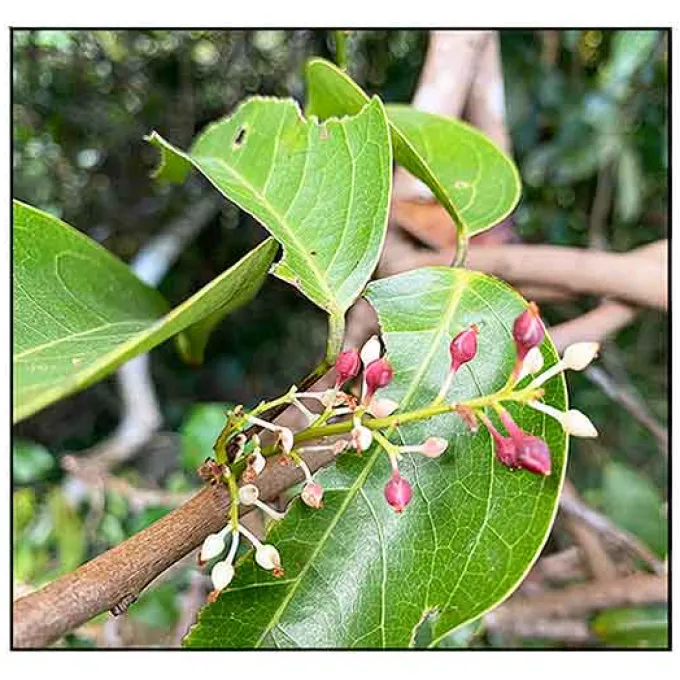
Description
Growing requirements
Blumeodendron tokbrai is a botanical species belonging to the Euphorbiaceae family. This tree is native to the tropical rainforests of Southeast Asia, thriving in regions with high humidity and stable year-round temperatures.
The ecological requirements for this species include consistent rainfall and a protected environment that mimics the multilayered structure of a primary tropical forest. It is well-adapted to shaded understory conditions during its early growth stages.
Soil quality is paramount for the healthy development of this tree. It favors deep, well-drained soils enriched with organic matter, which provide the essential nutrients required for biomass accumulation in a tropical climate.
Botanically, the tree exhibits characteristics common to the Euphorbiaceae family, including resilient foliage and a structural design that supports growth in competitive forest environments. It is a vital component of the local forest biodiversity.
In terms of agricultural and forestry utility, the timber of Blumeodendron tokbrai is utilized by local communities for construction purposes. Its wood properties make it a subject of interest for sustainable agroforestry management programs.
Main diseases and pests
The primary threat to Blumeodendron tokbrai is habitat loss due to land conversion and logging activities. The reduction of the forest canopy exposes the trees to unfavorable climatic conditions that hinder their natural regeneration.
Pathogenic fungi can pose a risk, particularly in areas with poor drainage where water accumulates. These infections often target the root systems, compromising the structural integrity and growth rate of the trees.
Wood-boring insects represent a significant pest threat, as they can cause extensive damage to the trunk, lowering the quality and market value of the harvested timber. Preventive forest management is necessary to mitigate these impacts.
Competition from aggressive, fast-growing plant species can inhibit the successful establishment of new saplings. Effective weed management strategies are needed during the early years of the tree life cycle.
Environmental stress resulting from extreme weather events, such as prolonged droughts or severe windstorms, can also adversely affect the health and physiological processes of this species in vulnerable areas.