
Blumeodendron kurzii
Blumeodendron kurzii
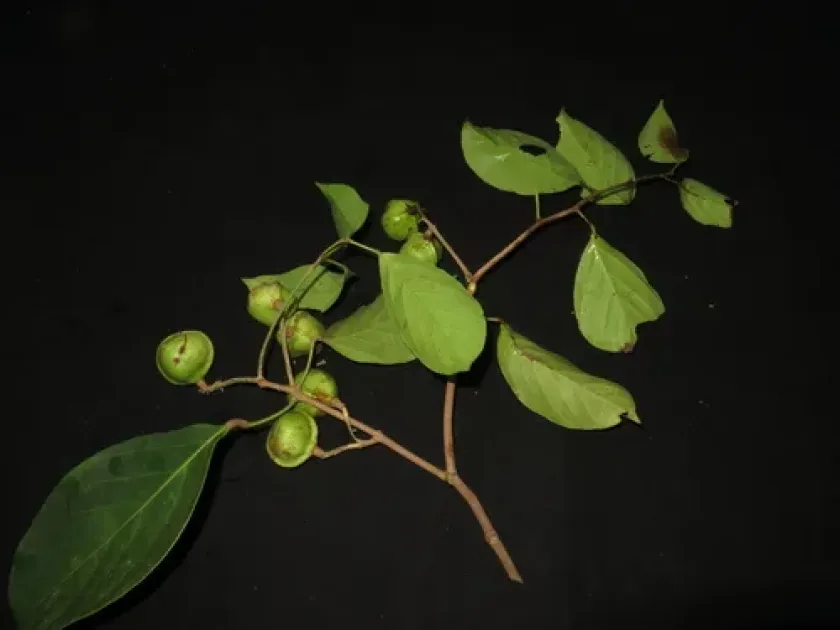
Description
Growing requirements
Blumeodendron kurzii is a tree species belonging to the Euphorbiaceae family. It is native to the tropical rainforests of Southeast Asia, where it thrives in warm and humid conditions throughout the year.
The plant requires high levels of annual rainfall and stable tropical temperatures. It is known to grow well in various soil types, provided that the drainage is efficient, as stagnant water can be detrimental to its root system.
Cultivation practices focus on ensuring that the trees have access to sufficient light while maintaining the integrity of the soil structure. Being a tropical evergreen, it maintains its foliage throughout the year, contributing to biomass production.
Botanically, it displays characteristic traits of the Euphorbiaceae family, with specialized structures that assist in pollination and nutrient cycling within the forest canopy. Its growth habit is typically upright, making it suitable for managed forestry.
In terms of хозяйственное использование, the species is valued for its wood, which finds applications in local construction and traditional carpentry. Sustainable harvesting practices are essential for its continued use in the industry.
Main diseases and pests
Fungal diseases related to high humidity represent the primary threat to the health of these trees. Proper spacing between individual trees is a critical management strategy to allow for adequate airflow and disease control.
Pests, particularly wood-boring insects, can cause significant damage to the trunk and bark, affecting the timber quality. Monitoring programs are necessary for large-scale forestry operations to mitigate these risks effectively.
Soil-borne pathogens present a risk, especially during the nursery stage when seedlings are most vulnerable. Utilizing sterilized growing media and maintaining hygiene in nurseries are standard preventative measures.
Climate change impacts, including unpredictable precipitation patterns, may stress the trees and increase their susceptibility to opportunistic infections. Maintaining forest resilience is a key objective for agronomists.
Over-exploitation of native forests poses a severe threat to the natural regeneration of the species. Responsible management requires a balance between harvest cycles and natural reforestation efforts to ensure long-term viability.