
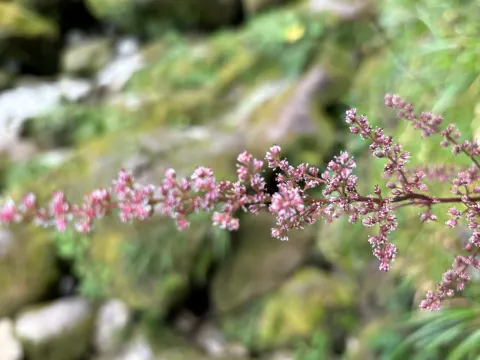
Astilbe
Astilbe
Astilbe is a genus of perennial herbaceous flowering plants in the family Saxifragaceae. These plants are native to the mountain ravines and woodland habitats of Asia and North America, where they thrive in moist and cool environments with high atmospheric humidity.
What the section contains


Astilbe
Botanically, Astilbe is recognized by its compound, fern-like foliage and characteristic plume-like panicles. The roots consist of a woody rhizome that grows upward over time, making it essential to periodically add mulch or topsoil to protect the base of the plant from drying out.
This crop requires partial shade to full shade to maintain its lush appearance. While some varieties can tolerate more sun if provided with consistent moisture, excessive exposure often leads to leaf scorch and premature wilting of the delicate flower stalks during peak summer heat.
The ideal growing medium is a rich, moisture-retentive, and slightly acidic soil. Good drainage is imperative, as Astilbe roots will rot in stagnant water, particularly during the dormant season. Adding organic matter like compost or peat improves soil structure and nutrient availability.
Cultivation practices focus on consistent irrigation. Astilbe is highly sensitive to drought; once the plant dries out, it rarely recovers its ornamental value for the remainder of the season. Mulching is considered a standard agronomic practice to stabilize soil temperature and moisture levels.
Nematodes, specifically foliar and root-knot varieties, represent the most severe threat to Astilbe cultivation. They cause chlorosis, distorted foliage, and significant stunting of the plant. Since there is no effective chemical cure for infected plants, early identification and removal are critical.
The tarnished plant bug and spittlebugs can also cause damage by feeding on the sap of young stems and developing flower buds. This results in disfigured foliage and uneven panicles, which reduces the overall commercial quality of the plant material.
Fungal diseases, including leaf spot pathogens and powdery mildew, often develop in conditions of poor air circulation and high relative humidity. Regular spacing and thinning of overly dense stands are recommended as primary preventive measures against fungal outbreaks.
Root rot caused by Phytophthora species is a serious concern in heavy or waterlogged soils. This disease attacks the rhizome, leading to a sudden collapse of the plant. Ensuring adequate drainage during the initial site preparation is the best defense against this pathogen.
Integrated pest management strategies should include regular scouting and the removal of plant debris after the end of the growing season. This reduces the overwintering population of pests and the inoculum load of diseases for the following spring cycle.