
Astilbe hybrids
Astilbe hybrids
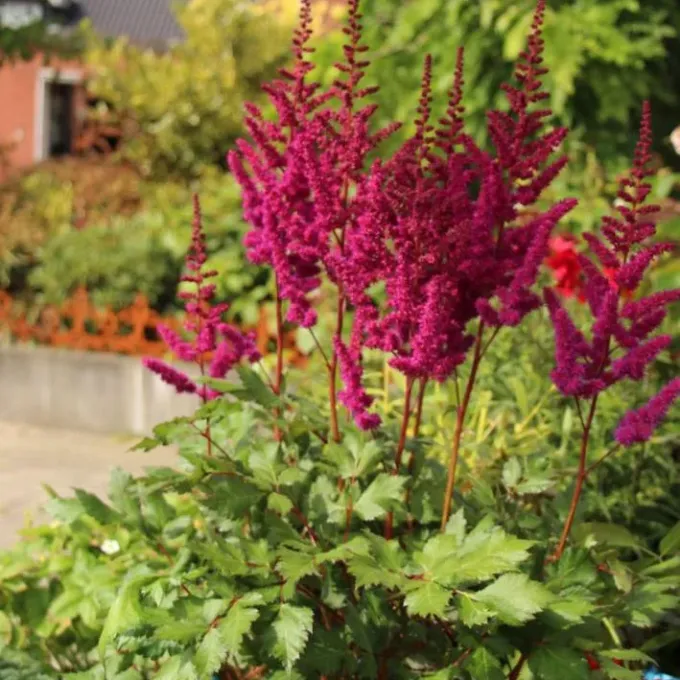
Description
Growing requirements
Astilbe hybrids belong to the family Saxifragaceae and are herbaceous perennials known for their feathery plumes and shade tolerance. These plants are the result of hybridization of various species native to East Asia and North America.
The cultural requirements for Astilbe focus primarily on soil moisture and light levels. They thrive in partial shade conditions, as intense direct sunlight can cause leaf scorch and deplete the water reserves in the plant's tissues.
Soil quality is paramount for success; they require rich, organic, and moisture-retentive soil. A slightly acidic to neutral pH is considered ideal for healthy growth and vibrant flower production.
Consistent watering is essential throughout the growing season. Because these plants are highly sensitive to drought, irrigation systems or manual watering must be strictly maintained to ensure the soil never dries out completely.
Regular mulching with organic materials such as compost or wood chips is advised. This practice regulates soil temperature, retains moisture, and provides additional nutrients as the mulch decomposes over time.
Main diseases and pests
Pests such as nematodes and the meadow spittlebug (Philaenus spumarius) are the primary biological threats. Nematodes often cause significant damage to the roots, leading to a decline in plant vigor.
Fungal issues, particularly leaf spot diseases, are common in humid environments with poor air circulation. These diseases manifest as dark spots on the foliage and can lead to premature defoliation.
Cultural control, such as removing debris and ensuring proper spacing between plants, is the first line of defense against most pathogens and common insect infestations.
Chemical control should be applied sparingly, targeting specific pests only when necessary and during appropriate life stages, following all environmental safety guidelines.
Monitoring the health of the rhizomes is important during the dormant season. If decay or significant damage is observed, affected sections should be pruned back to healthy tissue to prevent the spread of rot.