
Chinese astilbe
Astilbe rubra
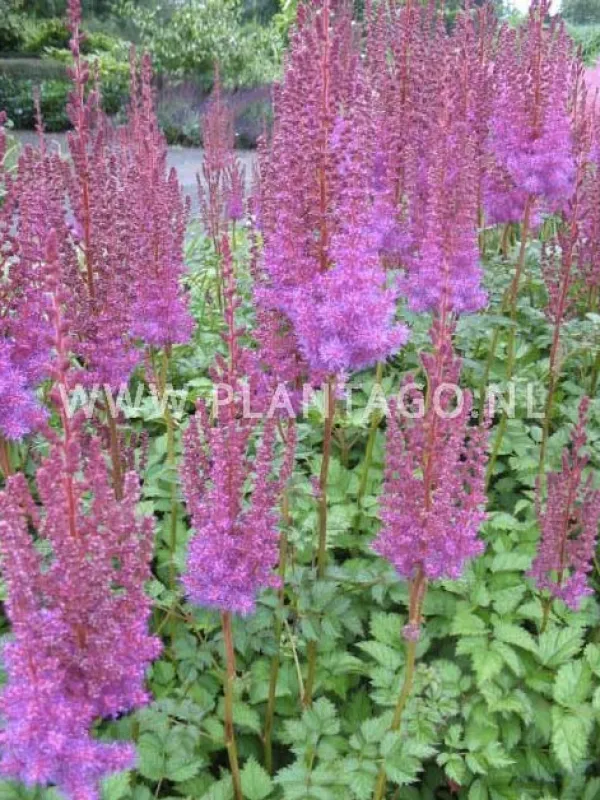
Description
Sowing dates
Propagation of Chinese astilbe is most effectively achieved through rhizome division, which ensures genetic consistency. The best time for this operation is early spring, immediately as the plants begin to emerge from dormancy.
Fall division in September is also a viable option, allowing the root system to settle before the winter frosts. When dividing, it is crucial to ensure that each section has at least three healthy buds for successful establishment.
Seed propagation is primarily used for breeding purposes because the seeds are extremely small. They require stratification to break dormancy and should be surface-sown in a light, moist medium during late winter.
Seedlings need to be acclimatized to external conditions before being moved to the landscape. A gradual transition prevents transplant shock and helps the young plants adapt to their permanent outdoor environment.
When planting, spacing should be carefully planned according to the cultivar's mature size, typically ranging from 30 to 60 cm apart. Adequate spacing is essential for air circulation and preventing fungal issues.
Growing requirements
Chinese astilbe belongs to the Saxifragaceae family and is a robust, moisture-loving perennial native to East Asia. It thrives in conditions that mimic its natural habitat, which includes forest margins and damp meadows.
The plant requires consistently moist, fertile soil rich in organic matter. While it tolerates a wide range of soil types, it performs best in soils that are slightly acidic and possess good water-retention capabilities.
As a shade-loving species, it is highly sensitive to excessive heat and direct sunlight. Planting it in a location with partial or filtered shade significantly enhances leaf vitality and prevents the scorched appearance of the foliage.
Mulching is a standard practice for maintaining soil moisture and protecting the rhizomes during extreme temperatures. An organic mulch layer also adds nutrients to the soil as it decomposes over the season.
Adequate water supply is critical, especially during the active growth and flowering phases. If the soil dries out, the plant will show immediate signs of stress, including leaf browning and reduced flower quality.
Main diseases and pests
Pests that often affect Chinese astilbe include aphids and nematodes. While aphids can be managed with insecticidal soaps or biological controls, nematodes are more problematic as they attack the root system directly.
Diseases are mostly linked to humidity and ventilation issues. Powdery mildew can occur if the foliage remains wet in poor air circulation conditions, leading to white patches on the leaves and aesthetic degradation.
Root rot is the most serious threat, typically caused by waterlogged soil. Proper soil drainage and avoiding over-watering are the primary preventative measures against this destructive fungal condition.
Good garden hygiene, such as removing debris and dead foliage at the end of the season, reduces the overwintering potential for pathogens and pests, thereby lowering the risk of infestation in the following year.
Monitoring for signs of leaf spots or discoloration is recommended. Early detection of any pathological changes allows for prompt intervention with fungicides or systemic treatments before the entire clump is compromised.
Harvesting
Chinese astilbe is valued as an ornamental crop, widely used in landscaping and professional floristry. Its tall, plume-like flower spikes are highly desirable for fresh and dried flower arrangements.
When harvesting for bouquets, cut the stems when the florets are approximately two-thirds open. This timing ensures the best display longevity and color retention for the end consumer or indoor arrangement.
In the late autumn, once the foliage has turned brown due to frost, the plants should be cut back to the base. This practice prepares the rhizome for winter and keeps the planting area tidy throughout the dormant period.
The cut foliage, if healthy, can be processed through a chipper for compost. However, if there are any signs of fungal infection or pest damage, it is mandatory to dispose of the plant material away from the garden.
Proper harvesting techniques do not harm the plant's health; in fact, the annual cutting encourages vigorous growth in the spring. Consistent maintenance ensures the plant remains productive and decorative for many years.