
Astilbe glaberrima
Astilbe glaberrima
Description
Growing requirements
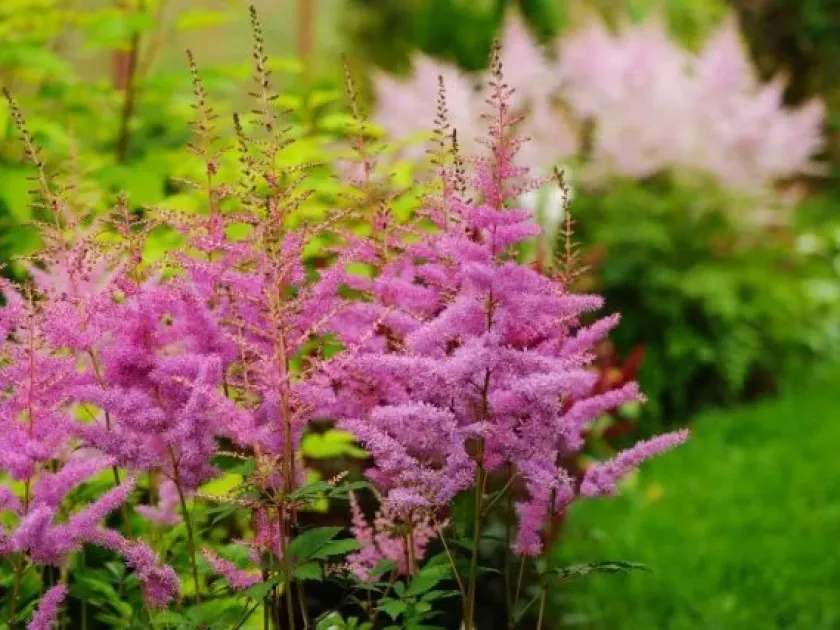
Astilbe glaberrima is a herbaceous perennial belonging to the Saxifragaceae family. This species is native to Japan, where it typically inhabits cool, moist forest floors and mountainous streamsides.
Botanically, it is classified as a dwarf species, rarely growing taller than 20 cm. Its key feature is the glossy, smooth foliage that provides a refined texture to shaded garden areas.
For successful cultivation, the plant requires semi-shaded environments. Protection from intense afternoon sunlight is necessary to prevent the scorching of its delicate leaves.
Soil conditions are vital for its survival. It thrives in humus-rich, well-draining, and consistently moist soil. The root system is relatively shallow and must never be allowed to dry out completely.
Maintenance involves frequent irrigation, especially during the flowering stage. Mulching around the base of the plant is recommended to preserve soil moisture and regulate soil temperature throughout the summer.
Main diseases and pests
The most significant pests affecting this species are nematodes. These microscopic organisms can damage the root system, causing the plant to wither and fail to produce flower spikes.
Aphids and spittlebugs may occasionally colonize the foliage. While these infestations are rarely fatal, they can cause cosmetic damage and weaken the plant if left untreated.
Fungal pathogens such as powdery mildew or leaf spot diseases can develop if the plant is grown in areas with poor airflow and high ambient humidity.
It is essential to maintain proper spacing between individual plants to promote good ventilation. This cultural practice significantly reduces the likelihood of fungal infections.
In case of pest outbreak, manual removal or the application of appropriate biological insecticides is advised. Avoid using heavy chemicals if the plant is situated near water features or sensitive ecosystems.