
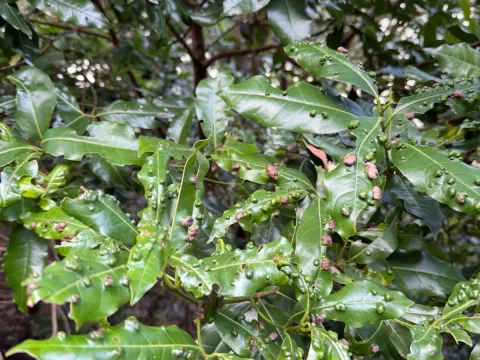
Apollonias
Apollonias
The genus Apollonias belongs to the Lauraceae family. It consists of evergreen trees known for their resilience and association with the ancient laurel forests, primarily found in the Canary Islands and Madeira.
What the section contains

Apollonias
This crop requires a mild subtropical climate to thrive. It is highly sensitive to frost, which limits its outdoor cultivation to coastal zones with stable temperatures and high humidity levels throughout the year.
Optimal soil conditions include deep, well-draining, and nutrient-rich substrates. The roots are prone to rot in waterlogged conditions, making effective drainage systems a mandatory aspect of its planting site selection.
In landscaping, Apollonias is appreciated for its aesthetic evergreen foliage. It acts as a structural element in gardens, providing shade and a lush visual appeal that complements other subtropical plant species.
Cultivation practices involve applying balanced organic fertilizers during the vegetative stage and ensuring consistent moisture levels. Pruning is recommended to maintain a desired shape and to improve airflow throughout the canopy.
Common diseases affecting Apollonias often include various fungal pathogens such as powdery mildew, especially in environments where humidity is trapped and air circulation is insufficient.
Pest management focuses on monitoring for common sucking insects like scale insects and spider mites. These pests can cause significant leaf damage and weaken the tree if left uncontrolled.
Integrated pest management strategies are advised, emphasizing the use of biological controls and soaps to maintain plant health while minimizing chemical impact on the environment.
Sanitation of the growing area is crucial to prevent the spread of diseases. Clearing fallen leaves and debris reduces the habitat for fungal spores and overwintering pest populations.
Regular inspections of the foliage and stems are the most effective method for early detection of issues, allowing for rapid intervention before infestations or infections become severe.