
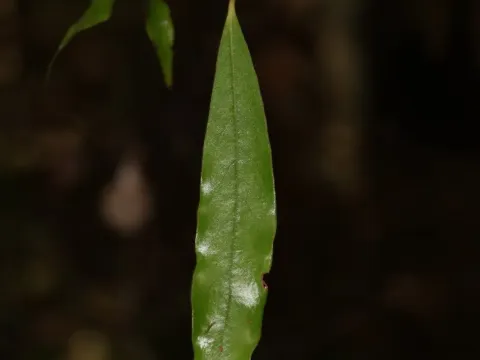
Beilschmiedia
Beilschmiedia
Beilschmiedia is a genus of evergreen trees and shrubs belonging to the Lauraceae family. These plants are native to tropical and subtropical regions across Asia, Africa, Australia, and the Americas, where they primarily thrive in humid forest environments.
What the section contains
 Beilschmiedia lucidula
Beilschmiedia lucidula
Beilschmiedia lucidula
 Beilschmiedia madang
Beilschmiedia madang
Beilschmiedia madang
 Beilschmiedia mannii
Beilschmiedia mannii
Beilschmiedia mannii
 Beilschmiedia miersii
Beilschmiedia miersii
Beilschmiedia miersii
 Beilschmiedia obtusifolia
Beilschmiedia palembanica
Beilschmiedia palembanica
Beilschmiedia obtusifolia
Beilschmiedia obtusifolia
Beilschmiedia palembanica
Beilschmiedia palembanica
 Beilschmiedia pendula
Beilschmiedia podagrica
Beilschmiedia podagrica
Beilschmiedia pendula
Beilschmiedia pendula
Beilschmiedia podagrica
Beilschmiedia podagrica
 Beilschmiedia tarare
Beilschmiedia tarare
Beilschmiedia tarare
 Beilschmiedia tawa
Beilschmiedia ugandensis
Beilschmiedia ugandensis
Beilschmiedia tawa
Beilschmiedia tawa
Beilschmiedia ugandensis
Beilschmiedia ugandensis
 Beilschmiedia velutina
Beilschmiedia velutina
Beilschmiedia velutina
 Beilschmiedia zenkeri
Beilschmiedia zeylanica
Beilschmiedia zeylanica
Beilschmiedia zenkeri
Beilschmiedia zenkeri
Beilschmiedia zeylanica
Beilschmiedia zeylanica
Beilschmiedia
Cultivation requires stable, high-temperature conditions as the plants are extremely sensitive to frost and cold stress. They are best suited for greenhouse environments or tropical regions where ambient temperatures remain consistent throughout the year.
The ideal soil for Beilschmiedia should be deep, fertile, and well-drained, rich in organic matter. Proper drainage is essential to prevent waterlogging, as the root systems are susceptible to decay if exposed to stagnant moisture for prolonged periods.
While seedlings often require shade, mature plants perform best under bright, dappled light conditions. Maintaining high atmospheric humidity is crucial for mimicking their natural ecosystem and ensuring healthy foliage development and growth rates.
Agricultural management involves routine irrigation and mulching to maintain soil structure and moisture levels. Strategic application of organic fertilizers during the growing season supports the development of biomass and overall plant vigor.
Root rot caused by various fungal pathogens is a significant threat to Beilschmiedia plantations. These infections are often linked to poor drainage or excessive soil moisture levels during the rainy season.
Pests such as scale insects and mealybugs can infest the plant canopy. These sucking insects sap the vitality of the trees, often leading to stunted growth and secondary infections on the weakened plant tissues.
Spider mites are a common nuisance, particularly in environments with low air humidity. They can cause rapid leaf chlorosis and drop if left unchecked, making moisture control an essential aspect of pest management.
Bacterial leaf spots may occur under high humidity and poor air circulation. Sanitation practices, such as removing affected foliage and ensuring adequate spacing, help mitigate the rapid spread of such pathogens.
Boring insects can pose a lethal risk to the trunks of mature trees. Regular scouting and the use of integrated pest management strategies are necessary to protect the wood quality and overall structural health of the trees.