
Actinodaphne
Actinodaphne
Actinodaphne is a genus of evergreen trees and shrubs belonging to the Lauraceae family. Native primarily to the tropical and subtropical regions of Asia, these plants are highly valued for their dense foliage and the aromatic compounds present throughout their tissues.
What the section contains
 Actinodaphne albifrons
Actinodaphne ellipticibacca
Actinodaphne ellipticibacca
Actinodaphne glabra
Actinodaphne glabra
Actinodaphne albifrons
Actinodaphne albifrons
Actinodaphne ellipticibacca
Actinodaphne ellipticibacca
Actinodaphne glabra
Actinodaphne glabra
 Actinodaphne glomerata
Actinodaphne gracilis
Actinodaphne gracilis
Actinodaphne gullavara
Actinodaphne gullavara
Actinodaphne glomerata
Actinodaphne glomerata
Actinodaphne gracilis
Actinodaphne gracilis
Actinodaphne gullavara
Actinodaphne gullavara
 Actinodaphne macrophylla
Actinodaphne macrophylla
Actinodaphne macrophylla
 Actinodaphne malaccensis
Actinodaphne moluccana
Actinodaphne moluccana
Actinodaphne procera
Actinodaphne procera
Actinodaphne malaccensis
Actinodaphne malaccensis
Actinodaphne moluccana
Actinodaphne moluccana
Actinodaphne procera
Actinodaphne procera
 Actinodaphne rumphii
Actinodaphne rumphii
Actinodaphne rumphii
 Actinodaphne sesquipedalis
Actinodaphne sphaerocarpa
Actinodaphne sphaerocarpa
Actinodaphne sesquipedalis
Actinodaphne sesquipedalis
Actinodaphne sphaerocarpa
Actinodaphne sphaerocarpa
Actinodaphne
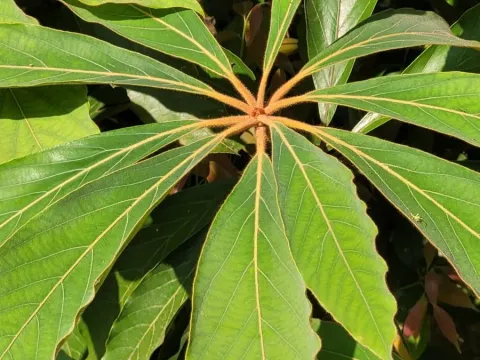
Botanically, the species are distinguished by their whorled leaf arrangement and leathery leaf blades, which are often rich in essential oils. These structural features allow them to adapt to competitive light conditions within the complex multi-layered structure of tropical forests.
For successful cultivation, Actinodaphne requires a consistent tropical climate characterized by high humidity and moderate to high temperatures. Frost protection is critical, as the species does not possess the mechanisms to survive freezing temperatures, making it a sensitive horticultural subject.
The soil requirements focus on moisture retention combined with excellent drainage. A slightly acidic to neutral substrate, rich in organic mulch, is ideal for providing the necessary nutrients and oxygen to the root zone, preventing any potential waterlogging.
The industrial use of Actinodaphne is broad, encompassing the production of timber and the extraction of phytochemicals. Many species within this genus have demonstrated potential in the pharmaceutical industry due to the presence of alkaloids and antimicrobial compounds found in their leaves and bark.
Major threats to the health of these trees include infestations by scale insects and spider mites, which thrive in protected environments such as nurseries or greenhouses. Integrated pest management protocols, including regular leaf cleaning and natural predators, are recommended.
Root pathogens, particularly those causing phytophthora rot, represent a significant risk under poorly managed irrigation regimes. To mitigate these threats, growers must prioritize soil aeration and use sterile substrates, ensuring the root environment remains conducive to healthy plant growth.