
Azores laurel
Laurus azorica
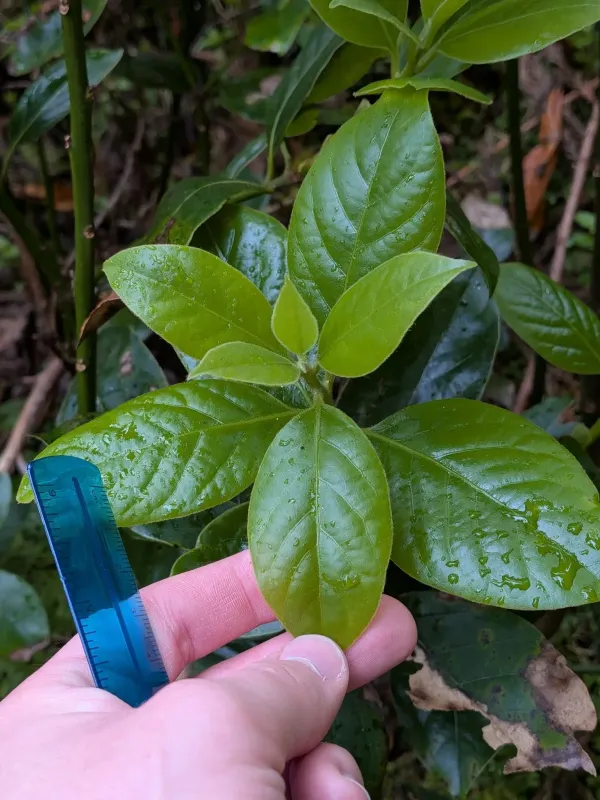
Description
Growing requirements
The Azores laurel (Laurus azorica) is a distinct evergreen tree belonging to the Lauraceae family, native to the Azores archipelago. It is known for its dense, deep green foliage and is considered a botanical treasure within its limited native range.
This species thrives in mild, humid subtropical climates where winter temperatures remain consistently above freezing. It is highly sensitive to frost, making it difficult to cultivate in regions with harsh continental winters, even in protected environments.
The ideal soil conditions for Laurus azorica involve nutrient-rich, well-draining substrates with a slightly acidic to neutral pH. Providing adequate drainage is paramount, as waterlogged soil quickly leads to root rot and long-term decline of the specimen.
Maintenance and agrotechnical practices focus on consistent hydration and supplemental feeding during the growing season. While the tree can tolerate partial shade, it performs best with sufficient light, which helps maintain the characteristic density and oil concentration in the leaves.
The primary use of the Azores laurel is in ornamental forestry and landscape architecture, where its aesthetic value and architectural structure are highly prized. It serves as an excellent focal point in botanical gardens and protected horticultural estates.
Main diseases and pests
Fungal diseases, often manifested as leaf spots, represent a major threat during periods of high humidity and poor ventilation. Proper spacing and airflow management within the canopy are the best preventive measures to ensure the plant remains healthy.
Common pests such as scale insects and aphids often infest the undersides of the leaves. These insects weaken the tree by extracting sap and potentially introducing secondary viral issues, requiring proactive monitoring and occasional organic pest control applications.