
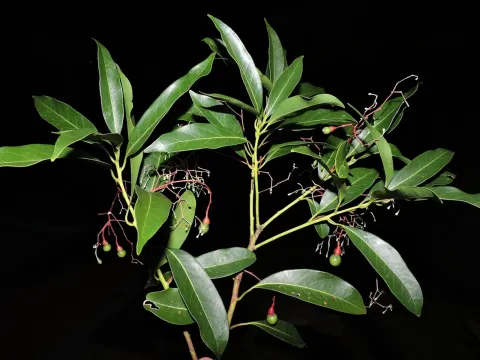
Aiouea
Aiouea
Aiouea is a genus of evergreen trees and shrubs belonging to the Lauraceae family. These plants are native to the tropical and subtropical regions of the Americas, thriving predominantly in the lush, humid environments of rainforests.
What the section contains


Aiouea
The cultivation of Aiouea requires a consistent tropical climate with high humidity and stable warm temperatures. They are not frost-tolerant and generally require protection from extreme weather conditions to maintain their foliage health.
Regarding soil requirements, these plants prefer well-drained, nutrient-rich soils that resemble the forest floor composition. Proper drainage is essential to prevent root rot, as the species is sensitive to waterlogged environments.
Botanically, Aiouea is known for its simple, alternate leaves that are often rich in essential oils. The flowers are typically small and inconspicuous, organized in panicles, and adapted for pollination by various insects native to their habitat.
In terms of usage, the genus is valued in forestry for its timber and in research for its phytochemical potential. Its presence contributes to the structural diversity of the tropical forest ecosystem it inhabits.
Fungal pathogens represent the most significant threat to Aiouea species, especially in environments with poor air circulation. These infections can lead to leaf spots and dieback of young twigs if not managed properly.
Pests such as scale insects and various larvae can cause structural damage to the leaves and bark. Infestations often reduce the plant's overall vigor and make it more susceptible to opportunistic secondary infections.
Environmental stress caused by habitat loss and fragmentation significantly impacts the natural distribution of Aiouea. This destruction limits the availability of pollinators and dispersal agents necessary for seed propagation.
Effective management in a controlled environment involves strict sanitation practices to limit the spread of soil-borne pathogens. Monitoring for early signs of distress is crucial for the survival of younger trees.
Integrated pest management strategies are recommended to maintain plant health while minimizing environmental impact. Such approaches rely on natural predators and sustainable maintenance of the growing site.