
Apollonias barbujana
Apollonias barbujana
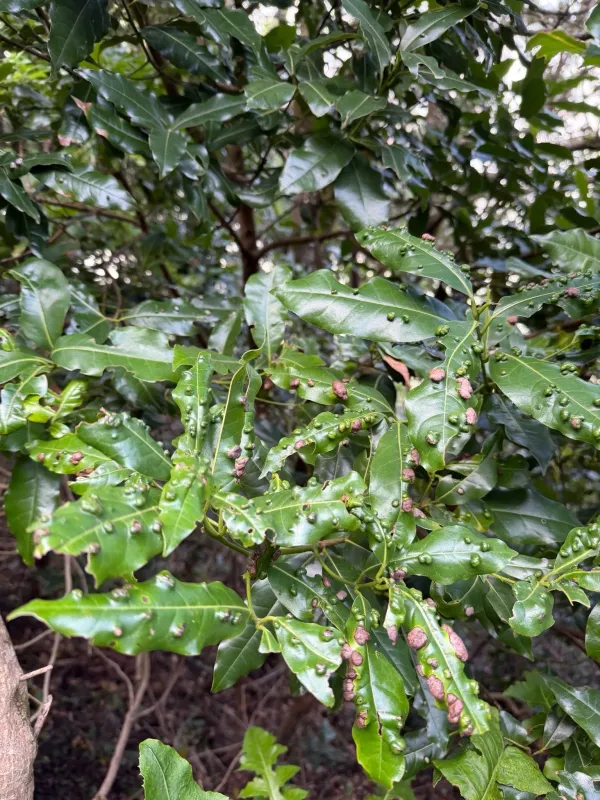
Description
Growing requirements
Apollonias barbujana is a prominent evergreen tree species belonging to the Lauraceae family. Known for its sturdy structure and dense foliage, it serves as a key component of the laurel forest ecosystems found within its native range.
The plant originates from the Macaronesian region, specifically the Canary Islands and Madeira. It thrives in humid subtropical conditions, where it often grows as part of the primary canopy, benefiting from the consistent oceanic influence.
Regarding soil requirements, this species demands well-drained, nutrient-rich substrates to support its growth. Poor drainage can significantly hinder root development, leading to long-term health issues for the specimen.
Climatic conditions for optimal growth must remain stable. The tree prefers sheltered locations where it can avoid extreme temperature fluctuations or harsh, drying winds that might damage its sensitive leaf structure during early development stages.
Economically, the tree is prized for its high-quality timber. Known as 'barbuzano' wood, it is traditionally utilized in woodworking due to its hardness, durability, and deep, rich color, making it suitable for furniture and structural elements.
Main diseases and pests
Major threats to the health of Apollonias barbujana include root rot caused by stagnant water in the soil. Proper site selection and drainage preparation are essential steps in mitigating these fungal-related risks.
Leaf-feeding insects and various sucking pests are among the most common biological threats. Regular monitoring of the canopy is vital to prevent pest outbreaks from causing significant damage to the plant's photosynthetic capacity.
Environmental stress, such as prolonged droughts or unexpected cold snaps, can weaken the tree's immune system. Providing adequate shade and supplementary water during dry periods is crucial for young and vulnerable trees.
Overcrowding in plantation settings can lead to poor air circulation, increasing the likelihood of pathogen development. Maintaining appropriate spacing is a fundamental agricultural practice for successful cultivation of this species.
Integrated pest management strategies are recommended to keep the population healthy. By using environmentally friendly control methods, growers can ensure the longevity of the trees while maintaining the integrity of the surrounding ecosystem.