
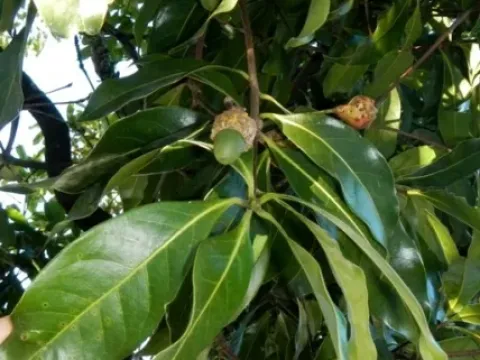
Aydendron
Aydendron
The sowing schedule for Aydendron is strictly dependent on the local climate and soil temperature. Optimal conditions require the topsoil to warm up to at least 12–15 degrees Celsius before planting begins.
What the section contains
Aydendron
In warmer regions, planting can start early in the spring, while in cooler climates, using seedlings is recommended to maximize the growing season. Proper timing is critical to ensure uniform emergence.
Seeds should be sown at a depth of 2 to 4 centimeters. Soil texture plays a significant role here, as lighter soils may require slightly deeper planting to maintain consistent moisture levels around the seed.
Maintaining proper row spacing is essential for high yields. Providing 45–60 centimeters between rows ensures adequate airflow and light penetration, reducing the risk of fungal infections later in the season.
After sowing, firming the soil with a roller can improve seed-to-soil contact. This simple step helps capillary action in the soil, ensuring the seeds receive the moisture necessary for germination.
Aydendron thrives in well-lit environments and requires full exposure to sunlight for optimal development. It prefers loamy, fertile soils with a neutral pH level and excellent drainage characteristics.
Water management is vital, as the crop requires consistent moisture, especially during the development of its reproductive organs. However, it is highly sensitive to waterlogging, which can cause root rot.
Soil fertility should be maintained through balanced fertilization. Incorporating organic matter during fall tillage provides a stable nutrient base, supplemented by mineral fertilizers during the active growth phase.
Temperature stability is key, with the crop performing best between 20 and 25 degrees Celsius. Extreme fluctuations can cause stress, leading to stunted growth and reduced yields at harvest time.
Effective weed control is necessary during the early stages of development to minimize competition for nutrients and water. Mulching can also be used to stabilize soil temperature and conserve moisture.
Common pests, including various aphids and leaf-eating insects, pose a significant threat to the health of the Aydendron crop. Regular scouting is required to prevent outbreaks from spreading across the field.
Fungal diseases are more prevalent in high-humidity conditions. Early detection is facilitated by inspecting leaves for discoloration or spotting, which are often the first signs of a pathogen presence.
Chemical control should be used judiciously, following integrated pest management principles. Using selective insecticides helps protect beneficial insects while effectively targeting the pests causing damage.
Crop rotation is the most effective preventative measure against soil-borne pathogens. Avoiding Aydendron cultivation on the same plot for at least three to four years significantly lowers disease risks.
Good field hygiene, such as the removal and destruction of crop residues after harvest, limits the survival of pests and pathogens over the winter, ensuring a cleaner start for the next season.
Harvesting Aydendron must occur when the fruits have reached biological maturity, indicated by specific changes in color and firm texture. Harvesting too early or too late can drastically impact quality.
Mechanical harvesting requires precise calibration of equipment to ensure efficiency while minimizing bruising or other physical damage to the crop. Operators should maintain a steady speed during operations.
Post-harvest handling is critical for shelf-life. The product should be cleaned, sorted, and graded according to market standards immediately after collection to prevent deterioration during storage.
Storage facilities should maintain cool temperatures and high levels of ventilation to keep the crop fresh. Monitoring humidity levels is essential to prevent the formation of mold or bacterial growth.
Efficient logistics from the field to the processor or market is the final step in successful cultivation. Proper handling throughout the supply chain preserves the nutritional and economic value of the Aydendron crop.