
Ansellia
Ansellia
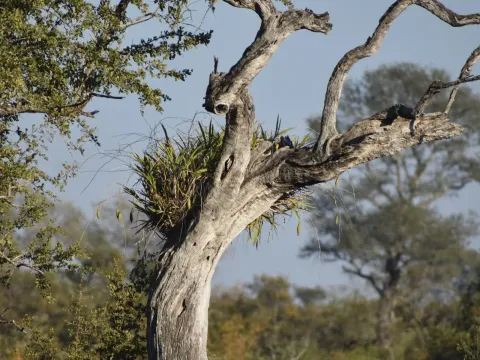
Ansellia is a genus of epiphytic orchids belonging to the Orchidaceae family, native to tropical Africa. Known as the leopard orchid, this plant is characterized by its large, robust sympodial growth habit and striking spotted yellow flowers.
What the section contains

Ansellia
In their natural habitat, these orchids grow in diverse environments ranging from coastal forests to dry savannahs. Understanding their native climate is essential for successful cultivation in domestic or greenhouse conditions.
High light intensity is a fundamental requirement for the healthy development of Ansellia. While they thrive under bright light, they require adequate airflow to manage transpiration and prevent heat stress during peak hours of sunlight.
The choice of potting medium must prioritize drainage and aeration. A coarse mix primarily composed of pine bark, charcoal, and inorganic aggregate is recommended to prevent waterlogging, which the root system cannot tolerate.
Seasonal management is vital: Ansellias require a clear distinction between the growing season, characterized by frequent watering and feeding, and a rest period, where irrigation is significantly reduced to induce blooming.
Scale insects and mealybugs are the primary pests affecting Ansellia orchids. These sap-sucking insects often congregate in leaf axils and beneath bracts, leading to stunted growth and increased susceptibility to secondary infections.
Spider mites can proliferate rapidly in low-humidity environments. Their presence is usually indicated by a fine webbing and stippled appearance on the leaves, necessitating immediate acaricide intervention to save the foliage.
Root rot, driven by Pythium or Phytophthora species, is the most common pathology resulting from poor cultivation practices. Overwatering or using a degraded potting medium facilitates the rapid decline of the root system.
Bacterial soft rot can occur if the plant is subjected to stagnant air and high humidity. Infected pseudobulbs should be removed with sterilized tools to prevent the spread of the pathogen to the healthy parts of the plant.
Nutrient deficiency or toxicity from poor-quality water can result in yellowing or tip dieback. Maintaining a balanced fertilization schedule and using high-quality irrigation water helps sustain long-term plant health.