
Ansellia africana
Ansellia africana
Description
Growing requirements
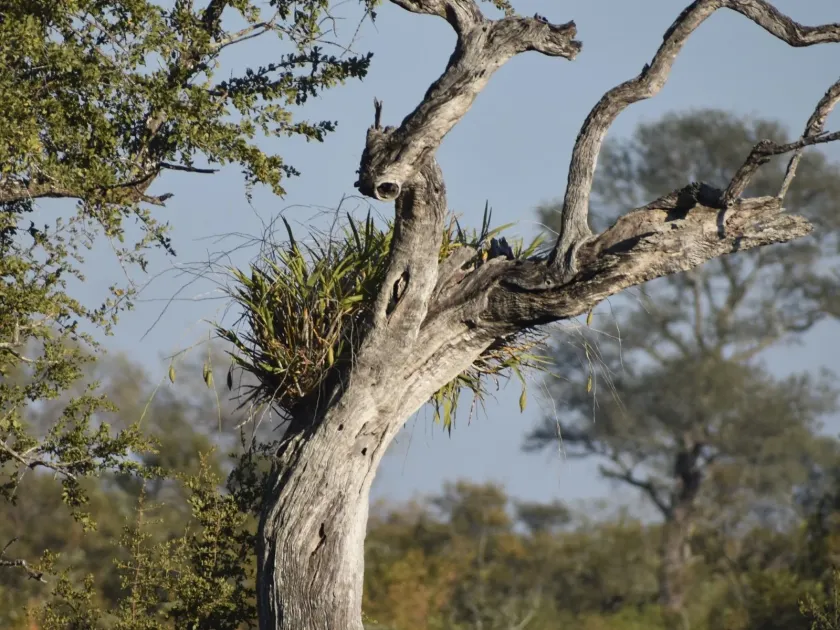
Ansellia africana, commonly known as the leopard orchid, belongs to the Orchidaceae family. It is a large, vigorous epiphyte native to a wide range of habitats across tropical and southern Africa, often found growing in the crotches of tree branches.
Botanically, this species is characterized by large, cane-like pseudobulbs that can grow up to 60 cm in height. These pseudobulbs produce clusters of leathery, bright green leaves, forming robust clumps that are well-adapted to surviving fluctuating environmental conditions.
To cultivate this species successfully, it requires bright, filtered light. Unlike some smaller orchids, it appreciates good airflow and needs a medium that allows roots to dry out relatively quickly after watering to prevent rot.
Temperature management is critical; during the active growing season, it thrives in warm temperatures. However, a distinct dry and cooler winter rest period is essential to trigger the development of its impressive, spotted, fragrant inflorescences.
The economic value of this orchid lies in its status as a sought-after ornamental plant. Collectors and botanic gardens value it for its resilience, ease of growth under correct conditions, and the spectacular display of flowers produced in the spring.
Main diseases and pests
The primary pests affecting Ansellia africana include sap-sucking insects such as scale insects and mealybugs. These pests hide in the crevices of the pseudobulbs, making them difficult to detect until an infestation is well underway.
Spider mites can also be a significant issue in dry, indoor environments. They cause stippling on the leaves, which eventually leads to chlorosis and potential leaf drop if the infestation remains uncontrolled.
Fungal rot represents the most serious health threat, usually occurring when the potting media becomes waterlogged or degraded. Without adequate drainage, the roots quickly succumb to pathogens, leading to the collapse of the entire plant.
Bacterial soft rot can occur in conditions of high humidity combined with poor air circulation. Symptoms include translucent or watery spots on the foliage that spread rapidly if not treated with appropriate antibiotics or fungicides.
Effective management includes regular cleaning of the leaves and maintaining a consistent airflow pattern around the plant. Using a well-draining, coarse bark mix ensures the root system remains healthy and resistant to opportunistic infections.