
Alsobia
Alsobia
Alsobia is a genus of perennial herbaceous plants belonging to the Gesneriaceae family. Native to tropical regions of Central and South America, these plants are highly valued for their trailing stems and beautiful foliage, which makes them excellent candidates for hanging baskets.
What the section contains

Alsobia
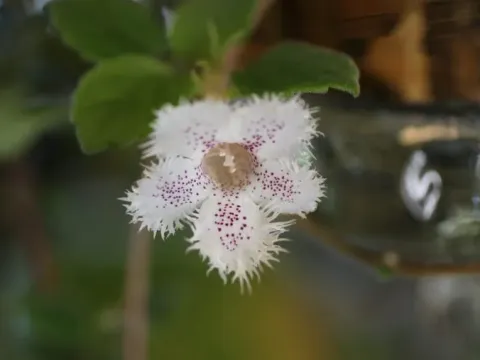
The botanical features of Alsobia include densely hairy leaves and characteristic tubular or bell-shaped flowers with fringed edges. These unique aesthetic qualities have established the plant as a staple in indoor gardening and botanical collections.
To thrive, Alsobia requires bright, indirect light. Direct sunlight can scorch the delicate foliage, while low light conditions may lead to leggy stems and a lack of flowering. A position near an east-facing window is usually ideal for the best results.
The soil must be well-draining, airy, and rich in organic matter. A peat-based mixture enriched with perlite or vermiculite ensures the roots have sufficient oxygen while retaining enough moisture to support active growth during the spring and summer seasons.
Temperature management is critical; Alsobia performs best in a range of 20°C to 25°C. It is sensitive to cold drafts and should be kept away from air conditioning vents or open windows during colder months to prevent physiological stress.
The primary threats to the health of Alsobia are fungal diseases, specifically those caused by waterlogged soil. Root rot is a common issue resulting from overwatering or inadequate drainage, leading to the rapid decline of the plant's structural integrity.
Pests such as spider mites and mealybugs can cause significant damage. These pests tend to thrive in dry conditions or when the plant is stressed by improper environmental factors, necessitating vigilant monitoring and preventative care.
Effective pest management involves the use of targeted insecticides and ensuring that the humidity levels are maintained appropriately. Regular cleaning of the leaves and monitoring the underside of the foliage can help identify infestations early.
Preventative measures include avoiding overcrowding plants, which promotes air circulation and reduces the risk of pathogens. If fungal issues appear, prompt removal of affected tissues is necessary, followed by an application of a suitable fungicide.
Proper sanitation practices, such as sterilizing tools and using fresh potting media during repotting, significantly reduce the incidence of soil-borne diseases. Consistent environmental control remains the best defense against long-term threats to Alsobia.