
Alsobia dianthiflora
Alsobia dianthiflora
Description
Growing requirements
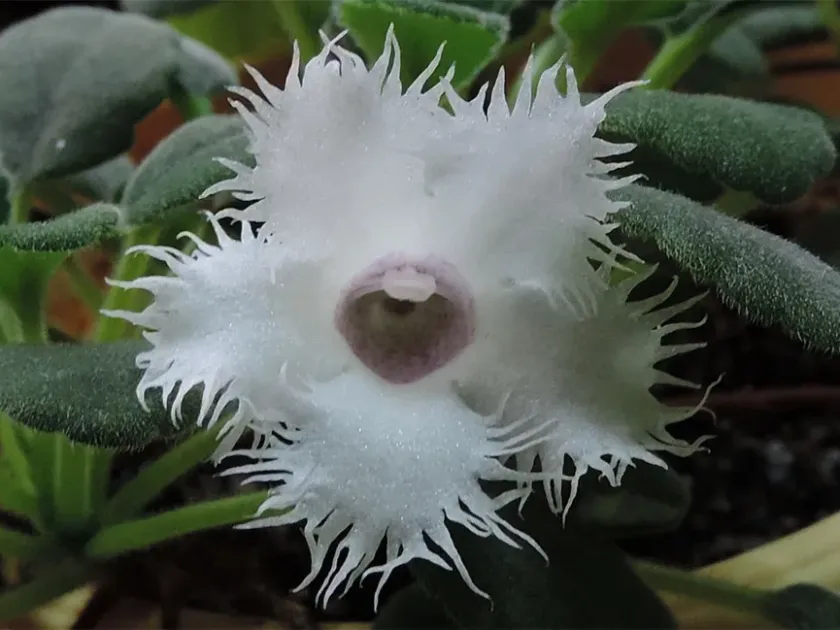
Alsobia dianthiflora is a charming herbaceous perennial belonging to the Gesneriaceae family. Originating from the tropical regions of Mexico and Costa Rica, it is widely recognized for its beautiful, fringed white flowers that resemble carnations.
This plant is primarily grown as an indoor trailing species. It thrives in bright, indirect light, which mimics its natural forest floor habitat. Exposure to harsh direct sun can easily damage its velvety foliage and reduce the quality of the blossoms.
Temperature management is critical for this species. It prefers a consistent range between 20°C and 25°C. Exposure to drafts or temperatures falling below 15°C will severely stress the plant, often resulting in flower drop or stunted growth.
The growing medium must be porous and well-draining. A mix consisting of peat moss, perlite, and high-quality potting soil provides the necessary aeration. Such a composition prevents the roots from sitting in excessive moisture, which is vital for plant health.
Regarding cultural practices, Alsobia dianthiflora requires high humidity levels. Regular misting or the use of a humidity tray is beneficial, especially in indoor environments with air conditioning or central heating that tends to dry the air.
Main diseases and pests
The most frequent pest challenges include spider mites and mealybugs. These pests thrive in dry conditions and can quickly infest the foliage. Manual removal and keeping the plant environment humid are the best initial defenses against these insects.
Root rot is the most common pathology, typically triggered by overwatering or poor drainage. To avoid this, always ensure the top layer of soil dries out slightly before re-watering and use containers with adequate drainage holes to prevent water stagnation.