
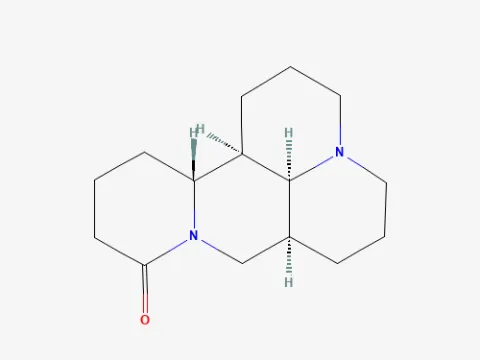
Matrine
Matrine is a quinolizidine alkaloid extracted primarily from the roots of the Sophora flavescens plant. It belongs to the class of biopesticides that act via contact and ingestion against various pests.
What the section contains
Matrine
The mode of action involves neurotoxic effects on insects. The substance disrupts nerve impulses, causing paralysis of the respiratory and muscular systems of the pest, ultimately leading to death.
A significant feature of matrine is its ability to disrupt insect metabolism, making it effective not only against adult stages but also against larvae of various instars.
Unlike many synthetic insecticides, matrine degrades rapidly in the environment into carbon dioxide and water, eliminating the risk of residue accumulation in agricultural produce.
Due to its natural origin, products based on matrine help preserve beneficial insect populations (entomophages), making them an ideal choice for Integrated Pest Management (IPM) programs.
Matrine is widely used to control a complex of sucking and leaf-chewing pests in various agricultural crops.
Key target groups include: aphids, spider mites, thrips, whiteflies, lepidopteran larvae, and diamondback moths.
It is effective against pests on vegetable, fruit, ornamental, and industrial crops in both greenhouse and open-field conditions.
It is frequently used in organic farming to monitor and suppress pest populations during the vegetation period.
Applying the product helps reduce plant damage at early stages of pest development, effectively preventing major infestations.
The application rates for the product vary depending on the specific crop type and the level of infestation on the field.
On average, for vegetable and fruit crops, solutions with a concentration ranging from 0.1% to 0.5% of the active ingredient are typically used.
It is recommended to carry out spraying during early morning or evening hours to avoid direct UV degradation of the active ingredient.
The interval between treatments is usually between 7 and 10 days, depending on the life cycle of the targeted pest species.
It is crucial to ensure uniform coverage of the leaf surface with the working solution, including the underside of leaves, where pests are most frequently found.
Although matrine is considered relatively safe for humans and warm-blooded animals, standard personal protective equipment should be used during handling.
Do not mix matrine-based products with highly alkaline pesticides, as this leads to a rapid loss of biological activity.
Avoid applications during peak bee foraging hours, despite the low general toxicity of the substance to pollinators.
Store the products in a cool, dark place, out of reach of children and pets, and away from food and feed supplies.
When used intensively, it is advised to rotate matrine with other classes of insecticides to prevent the development of pest resistance.