
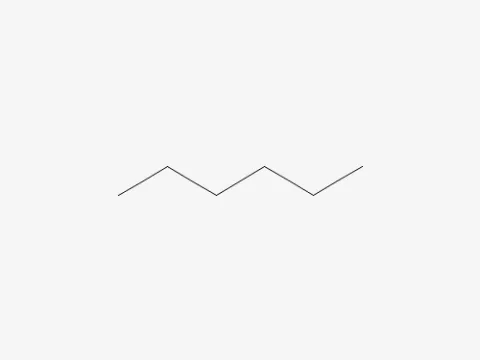
Hexane
Hexane is a fundamental organic solvent extensively used in the agrochemical industry. Its primary function is to serve as a carrier for active ingredients in pesticide formulations that are not water-soluble, ensuring they remain stable and effective.
What the section contains
Hexane
The mechanism of action for hexane as an excipient involves improving the solubility and dispersion of chemicals. It helps create a uniform concentration of the active ingredient, which is essential for consistent distribution during field application.
By lowering the surface tension of the pesticide spray, hexane facilitates better adhesion to leaf surfaces. This allows the active molecules to penetrate the waxy layers of the plant or the exoskeleton of pests more efficiently.
In manufacturing, hexane is used to produce stable emulsifiable concentrates. Its volatility allows it to evaporate rapidly after application, which prevents prolonged chemical exposure and potential phytotoxicity to the treated crops.
The solvent properties of hexane ensure that the active compounds remain bioavailable. This stability is critical for the efficacy of modern systemic pesticides, which need to move through the vascular system of plants to provide comprehensive protection.
Hexane is a vital component in the production of various insecticides, fungicides, and herbicides. By optimizing the delivery system, it enhances the control of agricultural pests and fungal pathogens that affect global food crops.
Beyond crop protection, hexane is indispensable in the oilseed industry. It is the industry standard for the solvent extraction of high-quality vegetable oils from crops like soybeans, sunflower seeds, and canola.
The substance is also utilized in the cleaning and maintenance of pesticide application equipment. Its ability to dissolve stubborn chemical residues prevents cross-contamination between different types of agricultural products.
Hexane-based formulations are effective in controlling weeds that have thick, protective cuticle layers. The solvent breaks down these physical barriers, allowing the herbicide to reach its target site within the weed plant.
Industrial applications include the preparation of specialized formulations designed for aerial spraying or large-scale precision farming, where consistent product viscosity is required for proper nozzle performance.
Usage rates for products containing hexane must strictly follow the manufacturer's technical specifications. As a specialized solvent, it is formulated in precise ratios to ensure the efficacy of the final pesticide product.
Application timing should be aligned with the pest or disease life cycle. It is recommended to perform treatments during early morning or late afternoon to optimize the interaction between the chemical and the target organism.
When mixing formulations in the field, proper water-to-concentrate ratios are crucial. Deviating from these rates can alter the chemical stability of the mixture, potentially reducing its effectiveness or causing unnecessary damage to crops.
Environmental conditions such as air temperature and wind speed dictate the optimal application rate. High temperatures increase the volatility of hexane, which might require adjustments in the application volume to maintain consistent coverage.
Adherence to pre-harvest intervals is mandatory for all products involving chemical solvents. This ensures that no harmful residues persist in the crop by the time of harvest, maintaining compliance with food safety standards.
Hexane is a highly flammable substance, necessitating strict fire safety protocols during storage, transportation, and field handling. All storage facilities must be equipped with explosion-proof systems and proper ventilation.
Personal Protective Equipment (PPE) is mandatory for workers handling concentrated hexane-based products. This includes respiratory protection, chemical-resistant gloves, and safety goggles to prevent inhalation or skin contact.
Disposal of chemical waste must be managed according to local environmental regulations. Releasing hexane into waterways or non-designated soil areas is prohibited due to potential ecological impact and groundwater contamination.
Phytotoxicity remains a potential concern if the product is applied in excessive concentrations. It is critical to perform a compatibility check before mixing with other agents to avoid adverse chemical reactions.
- Store in tightly sealed, grounded containers.
- Prohibit open flames and smoking in the vicinity.
- Use only in well-ventilated areas or open fields.
- Maintain appropriate emergency spill kits on-site.