
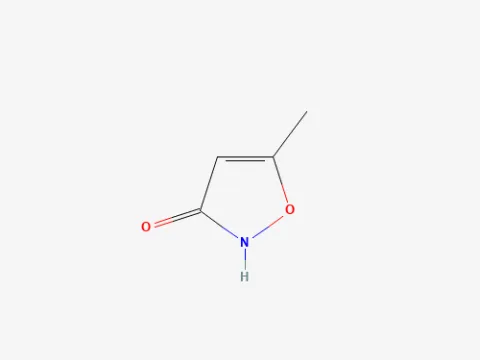
Hymexazol
Hymexazol belongs to the isoxazole chemical class. It is a systemic fungicide that demonstrates significant curative and preventive activity against soil-borne infections.
What the section contains
Hymexazol
The mechanism of action of this substance is based on the inhibition of nucleic acid synthesis within fungal cells. It effectively suppresses the pathogen's metabolism, blocking its growth and development at early stages.
The product is easily absorbed by the root system and seeds during treatment. Due to its high systemic properties, the substance redistributes within the tissues of the seedling, creating a protective barrier.
Unlike contact fungicides, hymexazol acts on pathogens directly in the rhizosphere, which is crucial for protecting young sprouts during the germination period.
The substance also has a stimulating effect on root system development, promoting better rooting and increasing the overall stress resistance of the crop.
Hymexazol is a specialized agent for controlling a wide range of soil-dwelling pathogens. It is effective against fungi from the oomycete and ascomycete classes.
The primary targets for application are fungi of the genera Pythium, Fusarium, Aphanomyces, and Phytophthora. These are the most common causes of seedling diseases.
The product is indispensable for controlling damping-off in vegetable crops, root rots in cereals and legumes, and seed decay during storage and sowing.
Using hymexazol helps prevent thin crop stands, which is critical for achieving high yields and maintaining optimal plant density.
- Fusarium root rots
- Pythium root rot
- Damping-off of seedlings
- Seed decay
Hymexazol application rates directly depend on the crop and the method of administration. It is most commonly used as a seed treatment or via soil application (drenching at the root zone).
When treating seeds, the application rate is calculated based on the weight of the planting material. It is necessary to ensure uniform coverage of the seed surface for effective protection upon contact with moist soil.
In greenhouse operations, the substance is often applied via irrigation or drip systems. This allows the product's action to be localized directly in the root zone.
The timing of application is limited to the germination phase and early stages of vegetation, when the plant is most vulnerable to soil-borne pathogens.
It is important to strictly follow the manufacturer's regulations regarding the concentration of the working solution to avoid phytotoxicity and ensure long-term seedling protection.
Hymexazol requires careful handling. When working with the product, personal protective equipment for skin, respiratory organs, and eyes must be used.
It is not recommended to allow residues of the product to enter water bodies or wastewater, as the substance can be toxic to aquatic organisms at high concentrations.
Storage must be carried out in the original packaging in a dry, cool place, away from children, pets, and food products.
Mixing with products that have a strong alkaline reaction should be avoided, as this may lead to a decrease in the fungicidal activity of the active ingredient.
After treatment in protected ground, established waiting periods before personnel re-entry for further agronomic activities must be strictly followed.