
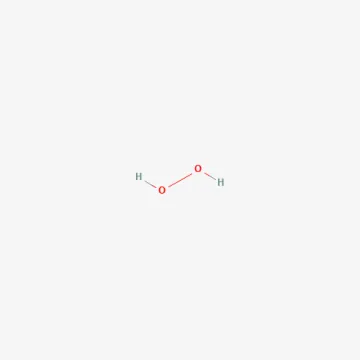
Hydrogen peroxide
Description
Mode of action
Hydrogen peroxide (H2O2) is an oxidizing agent commonly used in modern agriculture as an effective and eco-friendly plant protection product.
Its mechanism of action relies on the release of active oxygen when in contact with organic surfaces, which causes oxidative damage to the cell walls of pathogens.
By effectively destroying fungi, bacteria, and virus spores, it acts as a broad-spectrum antiseptic that prevents disease outbreaks in greenhouses and fields.
Beyond its protective properties, hydrogen peroxide aids in oxygenating the soil, which stimulates root respiration and metabolic activity in crops.
The substance is environmentally neutral, as it breaks down into simple water and oxygen molecules, leaving no harmful chemical residues in the soil or produce.
What it targets
It is highly effective against a variety of pathogens, including powdery mildew, late blight, root rot, and various soil-borne bacterial infections.
Used for seed treatment, it cleans the seed surface from pathogens and promotes faster, more uniform germination by softening the seed coat.
It is widely applied for soil and substrate disinfection, helping to manage mold growth and common seedling diseases in protected cultivation.
Hydrogen peroxide is an excellent solution for sanitizing agricultural tools, trays, and greenhouse structures to prevent cross-contamination.
In hydroponic systems, it prevents the accumulation of pathogens and algae, maintaining the water quality for healthy root development.
Rates and timing
For seed treatment, use a 0.5% to 1% solution, soaking the seeds for 15 to 30 minutes to ensure thorough disinfection.
Foliar application for disease prevention should be done with a 0.1% to 0.5% solution, preferably during evening hours to prevent rapid evaporation.
Root irrigation to combat root rot is recommended at a concentration of 0.1%, ensuring the soil is evenly moistened but not waterlogged.
For surface disinfection of equipment or greenhouse frames, a stronger solution of 2% to 3% is typically required for effectiveness.
Preventive applications can be scheduled every 7 to 10 days, depending on the current disease pressure and environmental conditions.
Restrictions
Always adhere to recommended concentrations; over-application may cause foliage scorch or damage delicate plant tissues.
Avoid applying in direct, intense sunlight, as UV radiation causes the active oxygen to dissipate too quickly, reducing the product's efficacy.
Because it lacks long-term residual activity, consistent monitoring and regular reapplication are necessary to maintain continuous protection.
Always wear appropriate personal protective equipment when handling concentrated peroxide to prevent eye or skin irritation.
Avoid mixing with other pesticides or fertilizers without testing for chemical compatibility to prevent neutralization or adverse reactions.
Status in the European Union
Approved in the EU
- CAS number
- 7722-84-1
- Approved from
- 29.03.2017
EU status is for reference only and does not replace national registration in your country.