
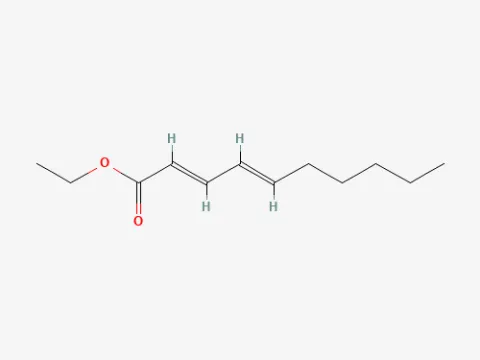
Ethyl 2,4-decadienoate
Ethyl 2,4-decadienoate is a key chemical compound acting as an insect attractant and a pheromone component in modern agricultural practice. It is specifically designed to mimic the natural chemical signals used by various insect species for communication and reproduction.
What the section contains
Ethyl 2,4-decadienoate
The primary mechanism of action involves mating disruption and behavior modification. By releasing the compound into the orchard environment, the chemical interferes with the ability of male insects to locate females, thereby preventing successful mating and reducing subsequent egg-laying.
This substance does not act as a traditional toxic insecticide. Instead, it provides a selective, behavior-based approach to pest control, which is significantly safer for non-target organisms like pollinators and beneficial insects present in the agricultural ecosystem.
The formulation is typically utilized in specialized dispensers that ensure a controlled and consistent release rate of the active ingredient. This stability allows for season-long protection of crops when applied correctly across the field.
It also serves as a crucial diagnostic tool in IPM (Integrated Pest Management) programs, helping agronomists track pest populations and determine the precise timing for additional crop interventions.
This compound primarily targets specific lepidopteran pests, including various species of fruit moths and leafrollers that threaten fruit tree health and harvest quality. It is widely recognized for its efficacy against codling moths and related pests.
The scope of its application covers commercial apple and pear orchards, as well as vineyards. By disrupting the reproductive cycles of these pests, the compound helps maintain fruit integrity and cosmetic appearance.
It is specifically intended for managing the adult life stage of the target insects. By preventing the population from entering the larval stage, the compound significantly lowers the need for broad-spectrum insecticide sprays.
When used in monitoring traps, it allows for accurate population counting, ensuring that control measures are triggered only when population thresholds reach critical levels.
Its species-specific nature ensures that the pest control process remains targeted, minimizing the environmental impact and supporting sustainable farming practices in diverse agricultural settings.
The timing of application is strictly dictated by the developmental stages of the target pests and historical data from the local region. Deployment usually occurs just before the first expected adult flight of the season.
Recommended rates depend on the orchard density and the specific pest pressure identified. Manufacturers provide guidelines on the number of dispensers required per hectare to ensure adequate pheromone concentration.
Dispenser replacement intervals typically range from four to eight weeks, depending on the local temperature and the rate of degradation of the compound under environmental conditions like sunlight and wind exposure.
Proper maintenance of the monitoring systems, including regular cleaning of sticky liners, is essential for obtaining accurate data on pest dynamics and ensuring the continued success of the protection strategy.
It is crucial to follow the installation protocols carefully, as improper spacing or insufficient quantities of dispensers can lead to ineffective mating disruption, allowing pests to find mates regardless of the treatment.
Ethyl 2,4-decadienoate should not be seen as a stand-alone solution for severe pest outbreaks. It is most effective when integrated into a broader pest management strategy that may include biological control or selective insecticides.
Users must wear standard protective equipment, including gloves and masks, during handling. While low in toxicity to humans, avoiding direct exposure to the concentrated substance is a standard safety requirement.
Storage must occur in a cool, dark, and well-ventilated area. The containers should remain tightly sealed to prevent oxidation or premature evaporation of the active component when not in use.
Waste management is a critical consideration. Used dispensers should be collected and disposed of according to local regulations regarding chemical waste, and should never be left in the environment after the season.
Extreme weather conditions such as prolonged heavy rainfall or high-velocity winds may temporarily reduce the effectiveness of the release system, requiring agronomists to monitor the field more closely during these periods.