
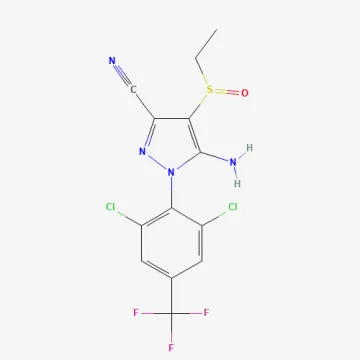
Ethiprole
Description
Mode of action
Ethiprole belongs to the phenylpyrazole chemical class. Structurally and functionally, it is closely related to fipronil, although it possesses distinct pharmacodynamic characteristics that influence its performance.
The mechanism of action is based on the inhibition of GABA-gated chloride channels in the insect nervous system. This results in the overexcitation of the central nervous system, disruption of nerve impulse transmission, and the eventual death of the pest.
The substance exhibits significant systemic, contact, and stomach activity. It can translocate within plant tissues, providing prolonged protection to the vegetative parts of the crop against both sucking and chewing insects.
Unlike many other insecticides, ethiprole is highly effective against pests that have developed resistance to organophosphate compounds and pyrethroids, making it a valuable tool in integrated pest management programs.
The active ingredient is characterized by stability under field conditions, which allows it to maintain insecticidal efficacy for an extended period after field application.
What it targets
Ethiprole is used to control a wide spectrum of economically significant pests in agriculture. The primary targets include species from the orders Coleoptera, Hemiptera, and Lepidoptera.
The substance shows high efficacy in controlling soil-dwelling pests, such as wireworms and false wireworms, which damage the root systems of field crops.
The product also delivers excellent results against rice pests, particularly rice stem borers and various species of leafhoppers that damage the vegetation mass.
Formulations based on ethiprole are successfully used against pests of cereal crops, including thrips and beetles that damage ears and leaves during periods of active growth.
- Wireworms and scarab beetle larvae
- Leafhoppers and bugs
- Rice stem borer
- Thrips and cereal flies
Rates and timing
Application rates for ethiprole depend on the specific formulation, the type of crop being treated, and the level of pest infestation in the field.
For seed treatment, the rate is calculated based on the weight of the planting material to ensure the creation of a protective zone around the germinating seed.
When spraying during the vegetative stage, it is crucial to adhere to pre-harvest intervals to avoid the accumulation of residues in the marketable produce.
Optimal timing is determined by the peak activity period of the pest, which often coincides with the tillering or jointing stages of cereal crops.
Repeated applications should only be carried out when necessary, respecting the intervals established by safety protocols to prevent the development of resistance.
Restrictions
The use of ethiprole requires strict adherence to safety measures, as the substance is toxic to beneficial pollinating insects, including honey bees.
Spraying is strictly prohibited during crop flowering or when flowering weeds are present in the field to prevent the loss of bees and other beneficial entomophages.
Contamination of water bodies must be avoided, as the substance is highly toxic to aquatic organisms and can disrupt ecosystems if spray drift occurs.
Handling concentrates requires the use of personal protective equipment for skin, respiratory, and eye protection to prevent exposure to the operator.
Storage must be carried out in original manufacturer packaging, in cool, dry warehouse facilities inaccessible to children, pets, and unauthorized personnel.
Status in the European Union
Not approved in the EU
- CAS number
- 181587-01-9
- ADI
- 0.002 mg/kg bw/day
- ARfD
- 0.005 mg/kg bw
EU status is for reference only and does not replace national registration in your country.