
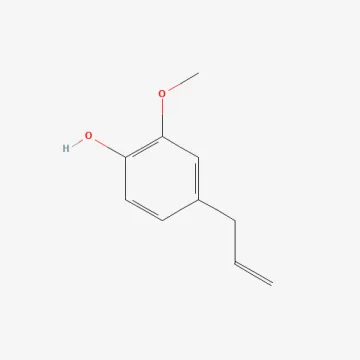
Eugenol
Description
Mode of action
Eugenol belongs to the terpenoid group and is the primary component of clove essential oil. In agronomy, it is classified as a biopesticide with a broad spectrum of contact action.
The mechanism of action is based on disrupting the integrity of pathogen cell membranes. Eugenol causes protein denaturation and lipid layer disorganization, leading to rapid cell death in fungi or insects.
As an insecticide, it exhibits a pronounced "knockdown effect" by blocking receptors and nervous conduction in pests upon direct contact.
The substance possesses a fungistatic effect, preventing spore germination and mycelium growth of fungal pathogens on the surface of plant organs.
Due to its natural origin, eugenol degrades rapidly in the environment without leaving persistent toxic compounds in the soil or produce.
What it targets
The substance is effective against a wide range of pathogens, including the causal agents of powdery mildew, gray mold, and various leaf spot diseases on vegetable crops.
Eugenol demonstrates high activity against small insect pests, particularly aphids, thrips, and whiteflies, which cause significant damage to greenhouse and field crops.
Products based on eugenol are used in professional crop protection programs for vegetables in protected cultivation, such as tomatoes, cucumbers, and eggplants, to reduce chemical load.
Additionally, eugenol can be used to protect ornamental floral crops from a complex of sucking pests without the risk of phytotoxicity.
The substance's activity against soil-borne pathogens is limited, so its application is primarily focused on the aerial parts of plants.
Rates and timing
Application rates for eugenol vary depending on the concentration of the active ingredient in the formulation and the severity of the crop infestation.
Treatments are recommended to be performed preventively or upon the first signs of pests and diseases during early morning or evening hours to avoid leaf burn.
The interval between sprays is typically 7 to 10 days, due to the rapid evaporation of essential oils from the leaf surface.
To achieve maximum effect, thorough wetting of the plant surface is essential, as the substance acts strictly by contact.
- Follow the manufacturer's recommendations for preparing the working solution.
- Avoid mixing with aggressive alkaline fertilizers to maintain molecule stability.
Restrictions
Despite its natural origin, eugenol can cause irritation to the skin and mucous membranes of the operator, so the use of personal protective equipment is mandatory.
The product is sensitive to ultraviolet radiation and high temperatures, which reduces its persistence (the protection period does not exceed a few days).
It is not recommended to perform treatments during periods of intense bee activity, despite it being less hazardous than synthetic insecticides.
Before treating the entire area, a phytotoxicity test should be conducted on a small plot, especially when dealing with young or weakened plants.
Products should be stored in a cool, dark place away from open flames, as essential oil components are flammable.
Status in the European Union
Approved in the EU
- CAS number
- 97-53-0
- Approved from
- 01.12.2013
- Approval until
- 15.04.2028
- ADI
- 1.0 mg/kg bw/day
- ARfD
- Not appl.
- AOEL
- 1.0 mg/kg bw/day
EU status is for reference only and does not replace national registration in your country.