

Pest · Lepidoptera (butterflies) · affects Fodder beet, Peach, Alfalfa
Especially harmful
Geometridae
Geometridae
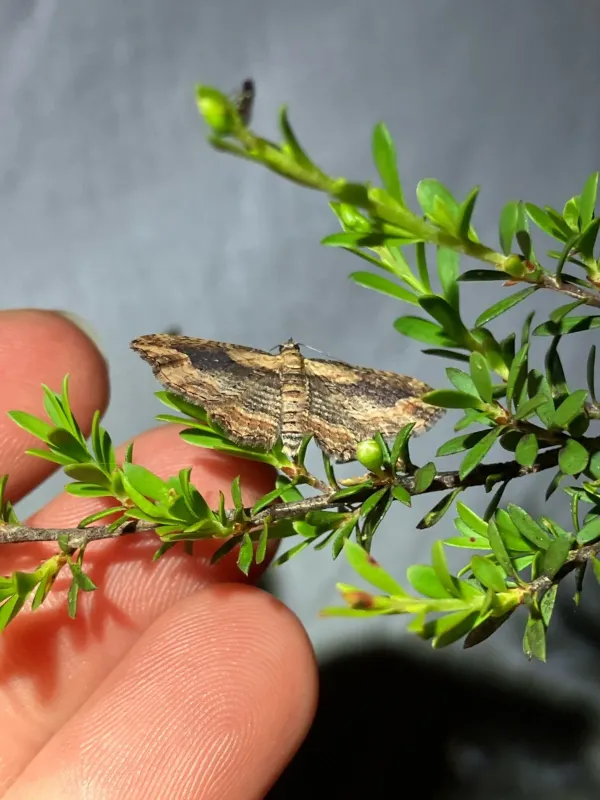
Description
How to identify
The Geometridae family, commonly known as looper moths or inchworms, belongs to the order Lepidoptera. They are named after the unique movement of their larvae, which pull their rear body towards the front, forming a loop as they walk.
Adult moths typically feature slender bodies and broad wings that often sit flat against surfaces, providing excellent camouflage against tree bark or dry leaves.
The larvae, or caterpillars, have a limited number of abdominal prolegs, which is the primary reason for their distinct "looping" gait and their ability to mimic small twigs.
Their life cycle consists of complete metamorphosis: egg, larva, pupa, and adult. Most species overwinter as pupae hidden in soil or within cocoons tucked into bark crevices.
Pupation usually occurs in silk-lined cocoons, offering protection against harsh winter conditions, which contributes to their high survival rate and wide distribution.
What it damages
Geometridae are polyphagous pests, meaning they feed on a vast range of plant species, causing substantial economic loss in both horticulture and agriculture.
Key crops at risk include apple, cherry, and peach trees, where larvae feed on buds, young leaves, and developing fruit, causing significant growth disruption.
Field crops such as fodder beet, soybean, and alfalfa are also susceptible, with heavy infestations capable of stripping entire fields of their foliage.
Ornamental plants, particularly roses, suffer damage to buds and foliage, which degrades the plant's aesthetic appeal and commercial value.
Tomatoes grown in both greenhouses and open fields are frequently targeted by various species of loopers, leading to damaged fruit and reduced yields.
When it appears
Adult activity depends on the species; while some moths emerge in early spring, others remain active throughout the summer or even until late autumn.
Mass hatching of larvae typically coincides with the bud-break phase of host plants, which is a critical window for applying initial protective measures.
During the summer months, multiple generations can develop on field crops, requiring continuous monitoring and timely intervention to prevent population explosions.
Climate factors such as temperature and precipitation play a vital role in determining the speed of development and the total number of generations per season.
Late autumn often marks the preparation for overwintering, making it an ideal time for sanitation measures aimed at reducing the next year's population.
Signs of infestation
Initial signs of infestation often include skeletonized leaves, where only the major veins remain, or irregular holes chewed through the leaf blades.
The presence of fine silk webbing between leaves, used by larvae to create protective shelters, is a strong indicator of an active looper population.
Spotting the caterpillars themselves, which often freeze in a rigid posture resembling a twig when disturbed, is a primary confirmation of their presence.
On fruit trees, damage to buds and young inflorescences is visible, which prevents proper flowering and fruit set throughout the growing season.
- Defoliation of branches.
- Presence of frass (droppings) on leaves.
- Curled or deformed leaf tissues.
- Stunted growth of young plant shoots.
- Direct damage to developing fruit.
Control measures
Agricultural practices such as tilling the soil around fruit trees and in fields can effectively destroy overwintering pupae and interrupt the life cycle.
Biological control using formulations containing Bacillus thuringiensis is an effective and environmentally friendly way to suppress larval populations.
Chemical control is necessary when infestation thresholds are exceeded; systemic or contact insecticides are applied during the most vulnerable larval stages.
Pheromone traps are essential for monitoring adult flights, allowing growers to time their pest control applications for maximum impact and minimal chemical use.
Encouraging natural predators, such as birds and parasitic wasps, helps maintain a balance and keeps looper populations from reaching damaging levels.
In brief
11
Damages crops
Content graph
Damages crops · 11
Content graph
Connections · Geometridae
Most often together:
Marketplace
Products · 3


Biology
Taxonomy
- Latin name
- Geometridae
- Order
- Lepidoptera (butterflies)
- Family
- Geometridae
- EPPO code
- 1GEOMF
Community
Discussion
No discussions yet — be the first.