

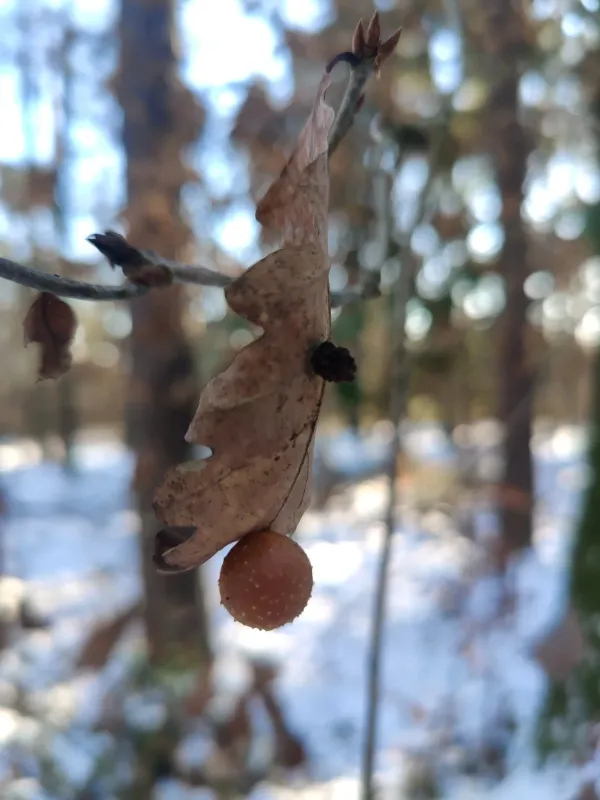
Description
How to identify
Gall wasps (Cynipidae) are small hymenopteran insects known for inducing the growth of abnormal plant structures called galls, which serve as shelters and food for their larvae.
The adult insects are tiny, typically measuring only a few millimeters, with dark bodies and transparent wings, often going unnoticed by gardeners.
Belonging to the family Cynipidae, these insects exhibit complex life cycles, frequently involving an alternation of sexual and asexual generations.
Their classification is based on the specific morphology of the galls they induce, as each species is highly host-specific to certain types of plants.
The insects are fascinating from an evolutionary perspective, as they have evolved to chemically manipulate plant cells to create a hospitable environment for their offspring.
What it damages
Gall wasps primarily affect oak trees (Quercus), though they can also be found on various other woody species, causing significant stress to the plant.
The main damage is the diversion of nutrients from the tree to the gall tissues, which can weaken the overall vigor and growth rate of the host plant.
Severe infestations can lead to the deformity of branches and foliage, making the plant more susceptible to environmental stress and secondary infections.
While a few galls are generally harmless to a mature, healthy tree, high concentrations can cause canopy thinning and aesthetic damage to ornamental plantings.
In forestry, heavy gall wasp activity can impact the health of young saplings, potentially reducing their future productivity and economic value.
When it appears
The life cycle of the gall wasp is tightly synchronized with the seasonal growth of the host plant, starting with egg-laying in the spring.
During the spring and summer, the larvae develop inside the galls, feeding on the specialized nutritious tissue produced by the plant under the wasp's influence.
Adult emergence typically occurs during specific periods, often late summer or autumn, allowing them to find new hosts for the next cycle.
Some species rely on overwintering within the galls that fall to the forest floor, where the larvae or pupae survive until the following spring.
Monitoring the timing of gall appearance is crucial for understanding the population dynamics and planning effective interventions in the garden.
Signs of infestation
The most distinctive sign of an infestation is the appearance of galls, which vary in shape, color, and size depending on the specific gall wasp species.
Look for round, marble-like structures on leaves or woody swellings on stems, which are clear indicators of larval development within the plant tissue.
Leaves may show signs of yellowing or necrotic patches around the site of the gall due to the disruption of normal nutrient transport.
Distorted or stunted growth on twigs and branches often signals that the plant is heavily infested, as the wasps interfere with its vascular system.
Finding exit holes on the surface of galls indicates that the adults have already emerged and completed their cycle for that specific host plant.
Control measures
Sanitation is the most effective control method, involving the collection and destruction of fallen leaves and galls to remove overwintering larvae.
Pruning out infested branches before the adults emerge can significantly reduce the local population of gall wasps in a garden setting.
Encouraging natural predators, such as parasitic wasps or birds, can help maintain a balance and keep the gall wasp population at a non-damaging level.
Chemical control is rarely recommended for gall wasps due to the difficulty of timing applications and the protection afforded by the gall structure.
Maintaining high plant vigor through proper fertilization, watering, and soil health helps trees withstand and recover from light infestations more effectively.
Content graph
Connections · Gall wasp
Most often together:
Marketplace
Products · 1
Biology
Taxonomy
- Latin name
- Cynips
- Order
- Hymenoptera
- Family
- Cynipidae
- EPPO code
- CYNISP
Community
Discussion
No discussions yet — be the first.