
California gall wasp
Andricus californicus
Description
How to identify
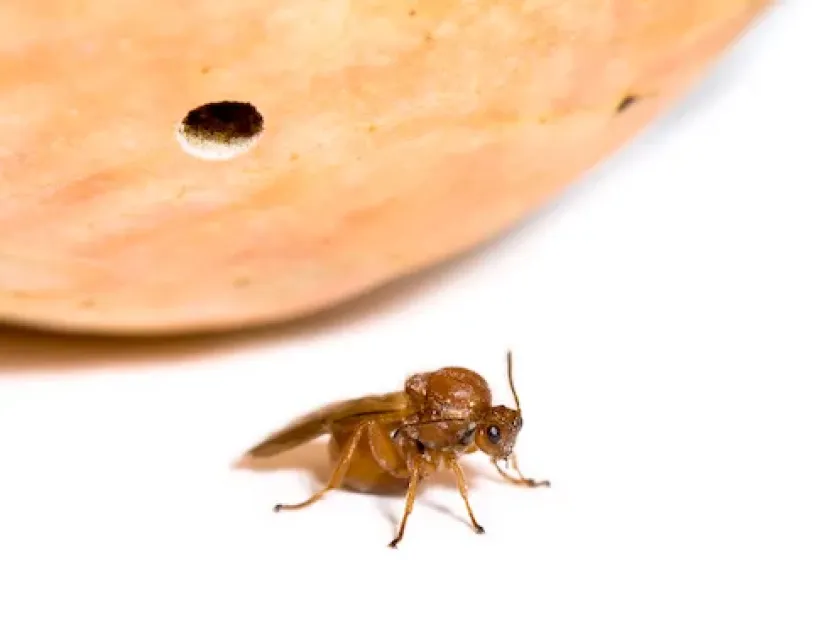
The California gall wasp (Andricus californicus) is a species of cynipid wasp known for inducing complex galls on various oak species. Like other members of the Cynipidae family, these insects are tiny and often go unnoticed by the average gardener or landscaper.
The lifecycle of this wasp is fascinating yet problematic for tree health, as it involves an alternation of generations. This means that the insects may appear differently and create distinct types of galls depending on whether they belong to the sexual or asexual generation.
The galls produced by this species are often spongy or corky in texture. They are typically found on twigs and leaves, serving as both a nursery and a food source for the developing larvae within.
Upon injecting a specific substance into the plant tissue, the wasp triggers the oak tree to create these abnormal growths. The larvae remain safely hidden inside these structures, feeding on the specialized plant tissue provided by the gall.
Recognizing the adult wasp is rarely possible for most people, so identification is almost entirely based on the visual presence and specific morphology of the galls found on the host trees.
What it damages
The primary hosts for the California gall wasp are specific species of oak trees, particularly those within the white oak group. The damage is localized where the galls form on stems, twigs, or foliage.
While a single gall rarely kills a mature tree, heavy infestations can divert a significant amount of the tree's energy towards gall production. This can lead to a general decline in the vitality and aesthetic appeal of the host.
Young trees are at higher risk of experiencing structural issues if galls develop heavily on new growth. This may cause the twigs to bend, twist, or break under the weight or because of weakened tissue.
The galls can provide entry points for secondary infections. Once the wasp emerges, the remaining gall structure may dry out or rot, creating an opportunity for fungi and pathogens to invade the tree's vascular system.
Repeated yearly infestations can stress the tree, making it more susceptible to environmental factors such as drought or other secondary pest attacks, which cumulativeley diminish the tree's long-term health.
Signs of infestation
The most prominent sign of an infestation is the appearance of spherical or irregular, spongy growths on the twigs and leaves of the oak tree. These are the hallmark of the California gall wasp.
The color of these galls changes throughout the season, starting as green or pale yellow and eventually turning brown or greyish as they mature and woody tissue develops within them.
Observation of the gall surface can reveal tiny exit holes. These indicate that the adult wasps have emerged, signaling that the current cycle is complete and the wasps have moved on to continue their reproductive process.
Leaves near the gall site may exhibit signs of stress, such as yellowing, curling, or dropping prematurely. This is due to the wasp diverting nutrients away from the leaves to sustain the growing larvae.
If you see clusters of these galls on your oak trees, it is a clear indication that the population of the California gall wasp is established and likely active within your local environment.
Control measures
Mechanical control through pruning is the most effective way to manage the California gall wasp in residential or small-scale settings. It is essential to remove the infested twigs before the adult wasps emerge.
All removed galls must be destroyed, preferably by burning or placing them in sealed bags for landfill disposal. Do not leave the pruned branches near the trees, as the lifecycle can continue until the tissue is fully desiccated.
Chemical control is generally discouraged for established, large trees as it is rarely effective once the larvae are inside the gall. Systemic insecticides may be considered only for young, high-value nursery stock.
Encouraging natural predators such as parasitic wasps that hunt the gall wasp larvae can help manage populations. Maintaining a diverse garden environment helps keep these beneficial insects present.
- Inspect oak trees frequently during the early spring growth period.
- Prune out heavily infested twigs immediately upon detection.
- Maintain tree vigor through proper watering during dry spells.
- Avoid heavy pruning that might stress the tree during the wasp's active season.
Taxonomy
- Latin name
- Andricus californicus
- Order
- Hymenoptera
- Family
- Cynipidae
- EPPO code
- ANDICA
Discussion
No discussions yet — be the first.