
Maize mosaic
Zea mosaic
Maize mosaic virus (MMV) is the causative agent of the disease, belonging to the genus Nucleorhabdovirus, family Rhabdoviridae. It is an RNA-based phytopathogen that primarily affects various grass species.
What the section contains
Maize mosaic
The virus acts as an obligate parasite, requiring a specific vector to spread throughout a field. Its structure consists of bacilliform viral particles, which are typical for this viral family.
The primary vector responsible for the transmission of the virus is the corn planthopper, Peregrinus maidis. The transmission is persistent, meaning the virus replicates within the insect before it can infect healthy plants.
In nature, the virus survives in perennial grass weeds and corn regrowth during the off-season. This makes the surrounding environment a critical source of primary inoculum.
Environmental conditions, particularly those favoring the survival and mobility of the planthopper, directly influence the rate of viral spread within the agroecosystem.
The primary host for the virus is maize (corn), but it can also infect sorghum, sugarcane, and several other grass varieties. These alternate hosts often serve as reservoirs for the pathogen.
Infected plants exhibit stunted growth, significantly reduced yield, and poor cob development. In severe cases, the plants may fail to produce any viable ears, leading to substantial economic loss.
The overall quality of both grain and silage is degraded. The reduction in nutritional value and biomass volume makes affected fields economically unviable for harvesting.
Secondary infections often exacerbate the damage, as weakened plants are less capable of resisting other pathogens and environmental stresses like drought.
Economic damage is twofold: direct yield loss and the recurring costs associated with managing the insect vector population throughout the growing season.
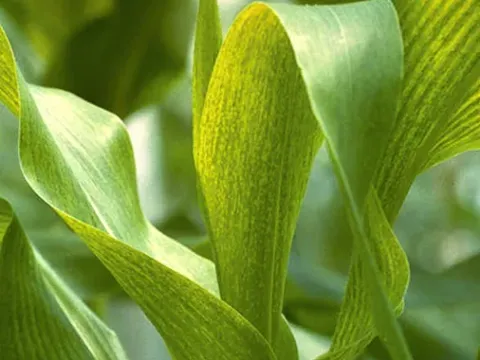
The symptoms of Maize mosaic virus typically appear as light green or chlorotic streaks or stripes along the leaf veins. Over time, these marks coalesce into a distinctive mosaic pattern.
Leaves often become distorted, crinkled, or twisted. Stunted internodes are a common sign, giving the infected maize plant a compressed, bushy appearance that distinguishes it from healthy neighbors.
Severe infestations cause significant yellowing (chlorosis) of the foliage, which reduces the plant's photosynthetic capacity and slows down vegetative development.
Diagnosis in the field is based on symptom observation, but confirmation requires molecular techniques such as ELISA or PCR to differentiate it from other viral or nutrient-deficiency issues.
The distribution of symptomatic plants in the field is usually sporadic or clustered, reflecting the landing patterns and feeding activity of the planthopper vectors.
Controlling the population of Peregrinus maidis is the most effective way to prevent the spread of the virus. Insecticide applications should be timed with the migration of the insect.
Cultural practices are essential in disease management. Removing wild grasses and corn volunteers helps reduce the virus reservoir near commercial fields, effectively breaking the infection cycle.
The use of genetically resistant or tolerant maize hybrids is the cornerstone of long-term disease management, providing a stable defense against viral infection.
- Monitor planthopper populations closely during the early growth stages of corn.
- Maintain spatial isolation between new plantings and older, potentially infected crops.
- Implement strict weed control measures to eliminate alternate hosts.
- Apply systemic insecticides to protect seedlings from initial vector feeding.
Early detection and quarantine of heavily infected patches can help prevent the spread to the rest of the field, though rapid intervention is necessary to be successful.