
Maize red stripe virus
Maize red
Maize red stripe virus (MRSV) is a phytopathogenic virus belonging to the Tenuivirus genus. It is a serious threat to maize production, particularly in regions where its insect vectors are prevalent.
What the section contains
Maize red stripe virus
The virus is characterized by a segmented RNA genome. It cannot be transmitted mechanically through contact or seed; it requires an insect vector to complete its transmission cycle within the field.
The primary vector for MRSV is the planthopper Perkinsiella saccharicida. The insect acquires the virus while feeding on infected host plants and transmits it to healthy maize plants during subsequent feeding events.
Once introduced into the plant, the virus moves through the phloem, causing systemic infection. This disruption of vascular tissue significantly impairs the plant's ability to transport nutrients and carbohydrates.
The severity of the disease and its spread are closely linked to the population dynamics of the vector, which are heavily influenced by local climatic and environmental conditions.
Maize is the primary host for the virus, though several wild grass species can also act as alternate hosts, perpetuating the viral reservoir in the agricultural landscape.
The economic impact of MRSV is substantial, as infected plants often fail to produce viable ears. Yield losses can be total if infection occurs during the early seedling stage.
Infected plants suffer from stunted growth, reduced leaf area, and impaired photosynthetic activity. This leads to weakened plants that are more susceptible to opportunistic pathogens and environmental stress.
Beyond yield reduction, the quality of the harvested grain is often compromised. Affected fields show poor uniformity, making mechanical harvesting and management more difficult.
In outbreak years, the virus can spread rapidly across large areas, causing significant economic losses to farmers if the vector population is not effectively managed.
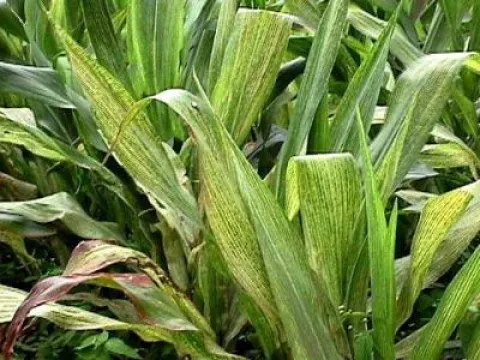
The initial signs of infection appear as chlorotic stripes on the leaves. These stripes often develop a characteristic red or purple coloration as the disease progresses.
Stunting is a very common symptom, as the virus severely limits the metabolic processes required for vegetative growth. Internodes become shortened, and the overall plant height is significantly reduced.
Infected plants may exhibit abnormal branching or excessive tillering at the base of the stalk, reflecting a disruption in hormonal balance caused by the viral infection.
- Red or purple longitudinal stripes on foliage.
- Severe stunting and dwarfed plant growth.
- Failure to form full or healthy ears.
- Premature leaf necrosis and senescence.
Confirmation of the virus typically requires molecular diagnostic methods such as ELISA or PCR, as symptoms can mimic nutritional deficiencies or other viral disorders.
Integrated pest management (IPM) focusing on the control of Perkinsiella saccharicida is the cornerstone of protecting maize against the red stripe virus.
Cultural practices are essential, including the removal of grassy weeds and the destruction of volunteer maize plants, which serve as crucial reservoirs for the virus during the off-season.
Planting resistant or tolerant hybrids is the most sustainable and effective strategy to minimize yield loss in regions with high historical incidence of the disease.
Optimizing planting dates to avoid the peak activity periods of the insect vectors can significantly reduce the probability of early-season transmission.
Regular field monitoring and the judicious use of systemic insecticides during the early growth stages can help maintain vector populations below the economic threshold.