
Maize mosaic virus
Maize fine
Description
How to identify
Maize mosaic virus (MMV) is the causal agent of the mosaic disease in corn. It is classified within the Nucleorhabdovirus genus, belonging to the Rhabdoviridae family.
The virus particles are bacilliform, measuring approximately 240 by 60 nanometers. As an obligate parasite, it relies on the host's cellular machinery to replicate, disrupting vital physiological processes.
The primary vector responsible for the spread of the virus is the planthopper Peregrinus maidis. This insect is essential for the transmission of the pathogen, which exhibits circulative transmission within the vector.
The virus cannot survive for long periods outside of its host or vector, making the management of insect populations and reservoir hosts the primary focus of field phytopathology.
Detection is often based on the observation of characteristic field symptoms. For confirmation, molecular techniques like RT-PCR or immunological assays such as ELISA are utilized to identify the virus accurately.
What it damages
The primary host for MMV is maize (corn). The infection can affect all stages of plant development, with the most severe impact occurring during the vegetative growth phase.
Other hosts include sorghum, millet, and various wild grass species. These plants serve as essential reservoirs, allowing the virus to persist in the ecosystem during the off-season.
The damage caused by the virus results in systemic infection. This leads to impaired photosynthesis, lower energy production, and reduced overall plant vitality, significantly affecting potential yields.
Severe infestations can lead to substantial losses in grain production, particularly in tropical and subtropical regions where the insect vector is active throughout the year.
The disease's economic impact is substantial, as it reduces not only the grain yield but also the quality and biomass production for fodder, creating significant challenges for farmers.
Signs of infestation
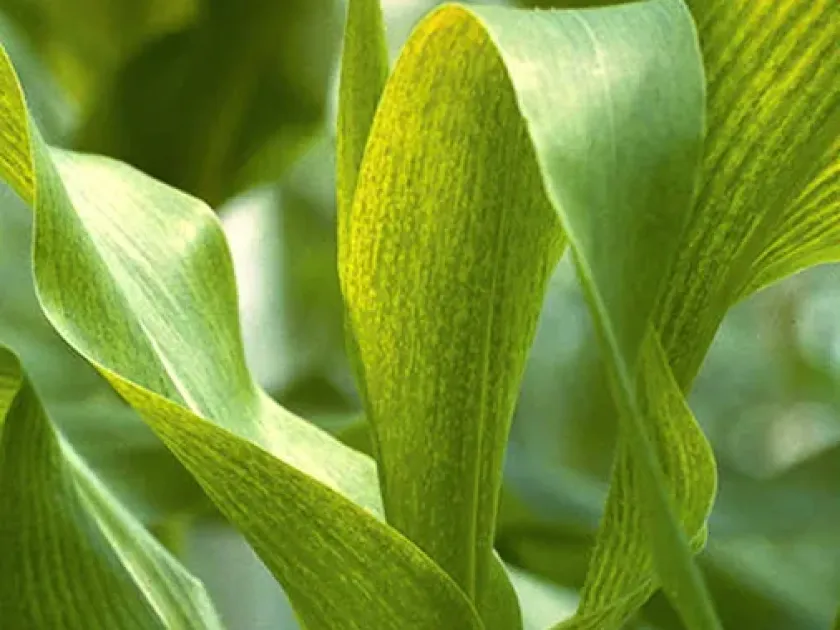
The most prominent symptom is the development of light green or yellow stripes running parallel to the leaf veins. These stripes may coalesce into broader chlorotic patches over time.
Infected leaves often show signs of malformation, including wrinkling, curling, or abnormal leaf margins. These physical symptoms are indicative of the disruption of normal cellular growth.
Plants infected early in their development exhibit stunted growth. This dwarfism is characterized by shortened internodes, giving the plants a compact and unhealthy appearance.
Reproductive success is severely compromised. Infected maize plants may develop smaller ears, or they may fail to develop ears altogether, leading to poor kernel set and empty cobs.
- Interveinal chlorotic streaking.
- Leaf deformation and wrinkling.
- Plant stunting and reduced internode length.
- Poor ear development and low grain quality.
Control measures
The cornerstone of managing Maize mosaic virus is the control of the Peregrinus maidis planthopper population. Insecticides are effective in reducing the transmission rate.
Cultural practices, such as the systematic removal of wild grasses and weed hosts surrounding the corn fields, significantly reduce the pressure of the pathogen during the season.
Using resistant or tolerant maize hybrids is considered the most sustainable and efficient strategy to mitigate the damage caused by the virus in endemic areas.
Spatial isolation of new plantations from old or infected fields helps prevent the migration of insect vectors, thereby breaking the disease cycle.
Regular field scouting for early signs of the disease and vector presence is critical. Early intervention allows for better management and prevents widespread infection across the field.
Causes diseases · 1
Discussion
No discussions yet — be the first.