
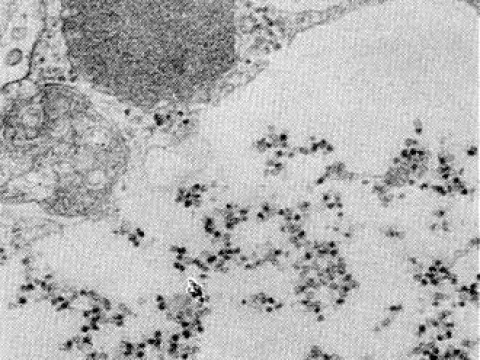
Maize rayado fino virus
Maize rayado
Maize rayado fino virus (MRFV) is a plant pathogenic virus, specifically the type species of the genus Marafivirus within the Tymoviridae family.
What the section contains
Maize rayado fino virus
The virus consists of a single-stranded positive-sense RNA genome packaged in a small icosahedral capsid, which is characteristic of this viral family.
The primary vector for the virus is the corn leafhopper, Dalbulus maidis. The virus is transmitted in a persistent, circulative, non-propagative manner through the insect.
Diagnosis in the field is difficult due to the visual similarity to other viral diseases, thus diagnostic tools like ELISA (Enzyme-Linked Immunosorbent Assay) are essential.
MRFV is not seed-transmitted or mechanically transmitted under natural field conditions, making insect control the cornerstone of any epidemiological management plan.
The virus primarily affects corn (Zea mays), causing significant economic losses by reducing plant vigor, photosynthetic capacity, and grain yield potential.
Infection leads to systemic colonization of the plant tissue, affecting cellular metabolic processes and preventing normal development of ear structures.
Yield reduction is most severe when plants are infected during early vegetative growth stages. Late-season infections may cause less severe symptoms but still reduce overall grain filling.
The pathogen does not directly kill the plant, but severely stunts growth, making the crop highly susceptible to environmental stress and secondary pathogen invasion.
Host range includes mainly maize, but certain wild grasses can harbor the virus, allowing it to persist in the landscape between crop seasons.
The most distinctive symptom is the appearance of small, chlorotic dots (stippling) that form fine dashed lines along the leaf veins, known as "rayado fino."
As the disease progresses, these dots may coalesce, leading to generalized yellowing of the foliage and significant discoloration compared to healthy plants.
Stunting is a very common feature, with infected plants often showing reduced height and poorly developed root systems compared to their healthy counterparts.
Ear formation is severely impaired in infected individuals, resulting in small, malformed ears with poor kernel set and significantly reduced test weight.
Symptoms are often more visible under high-light conditions and during periods of high temperature, which correlate with the peak activity of the leafhopper vector.
Management of MRFV focuses primarily on controlling the population of the corn leafhopper (Dalbulus maidis) using systemic insecticides applied to seeds or foliage.
Planting resistant or tolerant corn hybrids is the most sustainable long-term solution for reducing the impact of the virus on large-scale production farms.
Implementing cultural practices such as avoiding staggered planting dates prevents the transfer of vectors from older, infected crops to young, susceptible seedlings.
Removal of weeds and volunteer maize plants in and around fields reduces the reservoir of the virus, effectively breaking the cycle of transmission in the local environment.
Integrated Pest Management (IPM) strategies, including monitoring leafhopper numbers with traps, ensure that chemical intervention is performed only when economic thresholds are met.