
Maize rough dwarf virus
Maize rough
Description
How to identify
Maize rough dwarf virus (MRDV) is a phytopathogenic virus belonging to the Reoviridae family and the Fijivirus genus. It is a serious pathogen that affects maize and various other cereal crops.
The virus has a segmented double-stranded RNA genome and requires specific insect vectors for transmission within plant populations.
It is non-mechanically transmissible, meaning it cannot spread via sap or physical contact between plants under normal field conditions.
The virus is primarily transmitted by planthoppers, with Laodelphax striatellus being the most prominent vector species for this specific pathogen.
The virus persists in the insect body, meaning once a planthopper acquires the virus, it remains a carrier for its entire lifespan.
What it damages
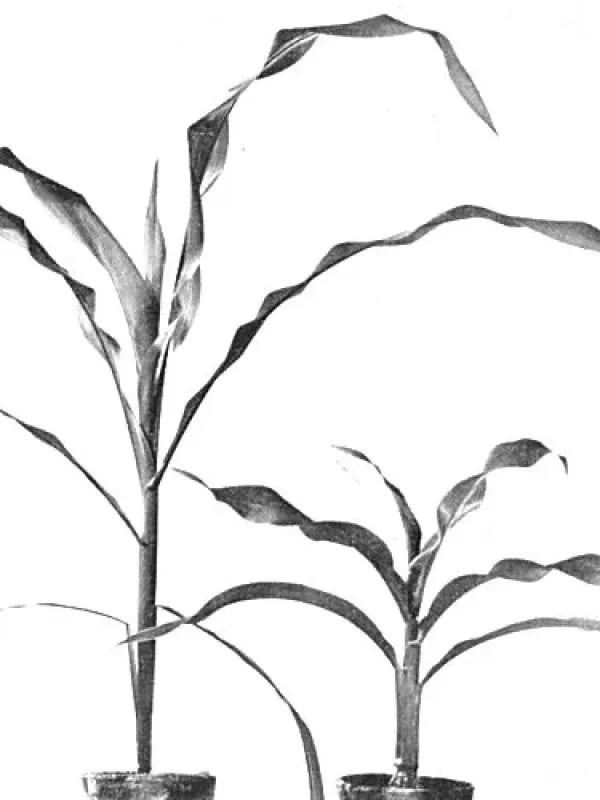
Maize is the primary economic host for this virus. Infection causes systemic growth retardation, often leading to severe stunting of the plants.
Infected plants exhibit drastic physiological changes that impede the development of reproductive organs, resulting in significant yield loss.
The disease is particularly devastating when plants are infected at the seedling stage, which can lead to complete failure of the crop stand.
Affected fields often show patchy growth patterns, which is a clear indicator of the spread of the virus by migratory insect vectors.
The cumulative damage includes both reduced grain production and poor nutritional quality of the plant biomass.
When it appears
The risk of infection peaks during the early growth stages of maize when planthoppers migrate into the fields from overwintering sites.
Environmental conditions, particularly warm temperatures and sufficient soil moisture, favor the rapid development of vector populations.
The seasonal activity of the disease is strictly tied to the life cycle of Laodelphax striatellus and its movement patterns between crops and weeds.
Outbreaks are more likely in years with mild winters, which ensure the survival of the virus within its insect and weed hosts.
As the maize crop matures, it becomes less susceptible to new infections, though the damage from early-season exposure remains irreversible.
Signs of infestation
The most distinctive symptom is severe stunting, where the internodes of the stalk fail to elongate properly.
Small, white, gall-like enations appear on the undersides of the leaves and leaf sheaths, giving the plant a rough, coarse texture.
Leaves often become dark green, stiff, and may show abnormal curling or twisting due to systemic disruption.
- Excessive tillering or lateral branching.
- Underdeveloped and brittle root systems.
- Deformation or complete absence of ears.
The plants take on a bushy appearance, and in many cases, they fail to produce any viable kernels, leading to total sterility.
Control measures
The primary control strategy involves the eradication of perennial grass weeds, which serve as the primary reservoir for the virus.
Strategic timing of planting can help maize plants pass their most vulnerable early developmental stages before peak vector activity occurs.
Insecticide applications targeted at planthoppers are necessary in regions with high historical infection pressure to protect young seedlings.
The use of resistant or tolerant maize hybrids is the most sustainable approach to mitigating the impact of the disease in infested areas.
Maintaining spatial isolation from permanent pastures or grasslands effectively reduces the probability of vector infestation in maize fields.
Causes diseases · 1
Discussion
No discussions yet — be the first.