
Thielaviopsis paradoxa
Thielaviopsis paradoxa
Thielaviopsis paradoxa (syn. Ceratocystis paradoxa) is an ascomycete fungus within the order Microascales. It is a highly significant plant pathogen known for causing severe rot diseases in a variety of tropical and subtropical crops.
What the section contains
Thielaviopsis paradoxa
The fungus produces two distinct types of spores: thin-walled endoconidia, which serve for rapid dissemination, and thick-walled, dark-brown chlamydospores. These chlamydospores are the primary survival structures, allowing the pathogen to persist in soil and crop debris for several years.
Under a microscope, the pathogen is identified by its characteristic endogenous chains of cylindrical spores emerging from phialides. The resulting mass of spores is responsible for the dark, blackish appearance of infected plant tissues.
The pathogen is opportunistic but aggressive, capable of exploiting wounds or weakened physiological states of host plants. It is highly mobile, spreading efficiently through contaminated soil particles, irrigation water, and infected tools used during cultivation or harvesting.
Optimal development occurs in warm, humid climates with temperatures ranging from 25°C to 30°C. In these conditions, the fungal lifecycle is rapid, facilitating large-scale outbreaks within a single growing season.
This pathogen is primarily known for causing "pineapple fruit rot" and "pineapple butt rot," which results in total decay of the fruit base and root system. It is one of the most economically devastating diseases in pineapple cultivation worldwide.
In sugarcane, the fungus is responsible for "pineapple sett rot," which infects the stems after harvest or mechanical damage. The pathogen breaks down sucrose, converting it into ethanol and other substances, rendering the sugarcane crop useless for sugar production.
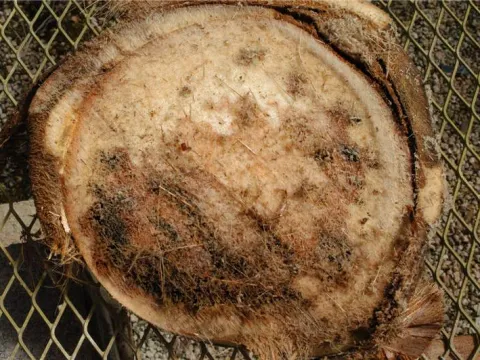
For coconut and oil palms, Thielaviopsis paradoxa leads to fatal conditions such as stem bleeding, crown rot, and bud rot. If the apical meristem (growing point) is destroyed, the palm tree quickly dies, making it a critical threat to plantation longevity.
The host range is extensive, also including bananas, cocoa, and various ornamental palms. In greenhouse environments, the fungus can infect the roots of various vegetable crops, leading to significant losses in nursery production.
Economic damage is twofold: direct loss of crops in the field and post-harvest losses during storage and shipping. A single infected fruit can act as a catalyst, rapidly spreading the fungus to healthy neighboring produce.
In tropical and subtropical regions, the pathogen is active throughout the entire year. However, high-moisture seasons, characterized by heavy rainfall, significantly increase the risk of infection as water facilitates spore germination and migration.
Post-harvest storage is a high-risk period, especially if proper temperature control is not maintained. Temperatures exceeding 25°C in storage facilities accelerate the colonization of infected produce, turning it into a mass of fungal spores.
The crop cycle is most vulnerable during harvest and pruning activities. Any mechanical injury—cuts, punctures, or abrasions—serves as an entry point for the fungus to colonize the healthy internal tissues of the plant.
In temperate climates, the pathogen is a persistent problem within greenhouses. If sanitation protocols are neglected, the fungus can flourish in the warm, humid conditions of indoor agriculture, regardless of the season outside.
Wind-borne spores can travel long distances, especially during field operations. Moving equipment or disturbed soil during dry, windy conditions is a primary factor in the dispersal of the pathogen across new, healthy blocks of cultivation.
The earliest symptom of infection is the appearance of soft, water-soaked spots that rapidly turn dark or black. These spots are often covered by a fuzzy, olive-gray to black mycelial mat consisting of fungal spores.
Infected sugarcane and pineapple tissues often emit a characteristic, sweet, fruity odor, similar to that of a ripening pineapple. This smell is produced by the metabolic breakdown of sugars by the fungus during its colonization process.
Internally, longitudinal sections of infected stems or roots show reddish-brown or black discoloration. This indicates the necrosis of tissues as the fungus disrupts the vascular system, preventing the movement of water and nutrients.
For palms, the foliage becomes chlorotic and wilts, often starting from the younger leaves. Eventually, the crown collapses, revealing a rotten, decaying mess within the apical bud or stem interior.
In root systems, the primary sign is the blackened and slimy texture of the fine roots. Infected plants lose their structural anchorage in the soil, leading to easy uprooting and subsequent plant death due to moisture stress.
Effective management begins with the use of certified, disease-free planting material. Treating cuttings or seedlings with systemic fungicides before planting is a standard practice to ensure protection against soil-borne inoculum.
Strict sanitary practices are crucial. All infected plant debris must be removed and incinerated to prevent the accumulation of chlamydospores in the soil. Proper site sanitation reduces the baseline pathogen pressure significantly.
All agricultural tools—pruning shears, knives, and harvesting equipment—must be disinfected regularly using suitable chemicals to prevent mechanical transmission of the pathogen between trees or plants.
Cultural practices should focus on reducing mechanical wounds and improving drainage to prevent waterlogging. Managing secondary insect pests is also vital, as their boring activities provide deep entry points for the fungal spores.
When chemical control is necessary, systemic fungicides applied as dips or sprays are effective. Rotating between different classes of fungicides is recommended to minimize the risk of the fungus developing resistance to common chemical agents.