
Thielaviopsis
Thielaviopsis
Thielaviopsis is a genus of ascomycetous fungi known as significant soil-borne pathogens. The most prominent species, Thielaviopsis basicola, is the primary cause of black root rot in numerous agricultural crops.
What the section contains
Thielaviopsis
The fungus is characterized by its ability to produce two types of spores: hyaline endoconidia, which facilitate rapid spread during the growing season, and thick-walled chlamydospores, which ensure long-term survival in the soil.
As a soil-borne organism, Thielaviopsis can persist in field environments for years in the absence of a host plant, making it a persistent agricultural threat.
Taxonomically, the genus undergoes periodic revisions, but it remains recognized by plant pathologists for its distinctive dark-pigmented spore chains visible under microscopic analysis.
The fungus typically initiates infection by colonizing the root cortex, where it disrupts nutrient and water uptake, eventually leading to systemic plant decline.
This pathogen has a wide host range, severely affecting crops such as tobacco, cotton, soybeans, beans, and various ornamental plants, leading to significant economic losses.
The damage starts at the roots, where the fungus invades and destroys the cortical tissue. This necrosis restricts the plant's ability to transport essential nutrients and water.
Infected crops exhibit stunted growth, wilting, and yellowing foliage. Severe infestations often result in the death of seedlings, causing significant gaps in crop stands.
Greenhouse environments are particularly vulnerable, as the pathogen can spread rapidly through irrigation systems, contaminated growing media, and shared tools.
Even if plants survive the initial infection, their yield quality and overall vigor are significantly reduced, impacting the profitability of the entire production cycle.
Thielaviopsis thrives in soil temperatures between 15°C and 20°C (59°F - 68°F) and high soil moisture, conditions which often coincide with early spring sowing or transplanting.
The chlamydospores remain dormant during winter or unfavorable dry periods and are highly resistant to degradation, allowing the fungus to survive in the soil horizon.
Infection cycles begin when spores germinate in the rhizosphere of a suitable host. High humidity and poor drainage create an ideal microclimate for the pathogen's expansion.
Spread across fields often occurs through the movement of contaminated soil by farm machinery, wind-borne dust, or run-off water during heavy rain events.
Integrated management is necessary because once the pathogen is established in the soil, it becomes a permanent part of the field's microbial community, requiring ongoing monitoring.
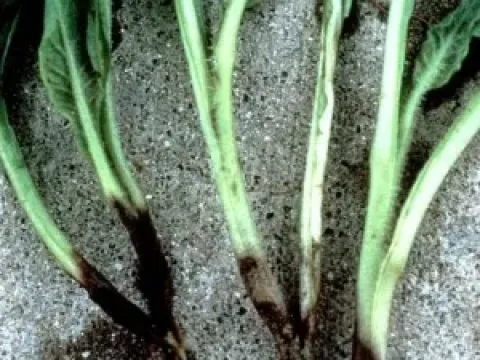
The hallmark symptom of this disease is the blackening of the roots, which gives the condition its common name, black root rot.
Initially, small dark lesions appear on the root surface. As the disease progresses, these lesions expand and coalesce, leading to the complete decay of the root system.
Above-ground signs include chlorosis (yellowing) of lower leaves, premature leaf drop, and stunting of the entire plant due to impaired root functionality.
In advanced stages, the plant can be easily pulled from the soil because the roots have been almost completely destroyed by the fungal necrotic activity.
Microscopic examination of the affected root tissue often reveals the dark, characteristic chains of chlamydospores, confirming the presence of the pathogen.
Effective management begins with rigorous crop rotation, avoiding host plants for a minimum of 3 to 5 years to reduce the inoculum density in the soil.
Improving soil drainage and optimizing moisture levels are essential, as excessive water promotes the spread and infection activity of the fungus.
Using certified disease-free transplants and disinfecting greenhouse equipment, trays, and tools is critical for preventing the introduction of the pathogen.
Soil solarization or steaming may be effective in greenhouse settings to eradicate the fungal spores from the growing medium before planting.
- Application of bio-fungicides containing beneficial fungi like Trichoderma species.
- Maintaining proper soil pH levels, as slightly acidic soils favor Thielaviopsis development.
- Careful disposal of infested crop residues at the end of the season.