
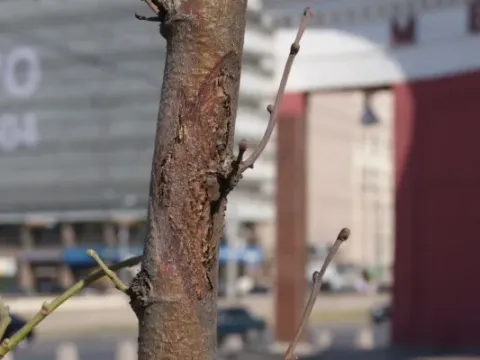
Thyrostroma compactum
Thyrostroma compactum
Thyrostroma compactum is a pathogenic fungus within the Pleosporales order, known to cause bark necrosis and dieback in woody plants. It exists primarily as a parasite infecting the vascular tissues of its host.
What the section contains
Thyrostroma compactum
The fungus is characterized by the formation of dense, cushion-like fruiting bodies known as sporodochia. These appear as small, dark, raised masses on the bark surface, breaking through the periderm as they mature.
This pathogen is recognized for its ability to compromise the structural integrity of branches. Its classification places it among aggressive fungal agents that exploit wounds and natural openings in the bark.
Identifying this species requires microscopic examination of the conidia, which are unique in their morphology and arrangement within the sporodochia. They are typically multiseptate and darkly pigmented.
The pathogen is highly specialized and generally thrives in environments where host trees are subjected to repeated stress, making it a significant concern for urban forestry and landscape management.
The primary host for Thyrostroma compactum is the linden tree (Tilia spp.). The fungus infects the cortex and cambium, disrupting nutrient flow and causing localized necrosis that can eventually girdle entire branches.
The damage often begins at points of mechanical injury or frost cracks. Once established, the fungus rapidly colonizes living tissue, leading to the formation of deep cankers and surface fissures.
As the infection progresses, the foliage on affected branches begins to wither and drop prematurely. This leads to reduced photosynthetic capacity and the eventual dieback of the branch or the entire crown.
The aesthetic and ecological harm caused by this fungus is significant, as it leads to the gradual decline of mature trees in parks, arboretums, and street-side plantings.
In cases of severe infection, the structural instability caused by the necrotic wood increases the risk of limb failure, posing a safety hazard to surrounding infrastructure.
The development of Thyrostroma compactum is strongly influenced by seasonal humidity and temperature. Spore production and dispersal are most active during moist, cool periods in the spring.
The fungus is capable of overwintering as mycelium or as dormant spores within the necrotic tissues of the bark. It remains viable through harsh winters, ready to resume growth as soon as conditions improve.
Conidial dispersal is largely rain-driven. Precipitation splashes the spores onto nearby healthy bark, facilitating the spread of the disease within the tree or to adjacent hosts.
During the dry summer months, the metabolic activity of the fungus may slow down, but the necrotic lesions continue to expand, progressively damaging the vascular system of the host tree.
The lifecycle is cyclic and closely synchronized with the host's phenology. The most critical period for intervention is early spring, prior to the onset of rapid vegetative growth.
The hallmark sign of Thyrostroma compactum infection is the presence of sunken, necrotic patches on the bark of branches. These patches often expand until the bark cracks and peels.
Small, black, dense sporodochia appear in clusters within the necrotic areas. These fruiting bodies are often visible to the naked eye and serve as a diagnostic indicator of the disease.
Affected trees show a characteristic thinning of the canopy. Yellowing leaves followed by premature senescence and abscission are early signs that the branch vascular system is compromised.
When the bark is removed from infected areas, the underlying wood appears discolored and decaying. Advanced stages of the disease manifest as large, open cankers.
The appearance of limb dieback, especially in the upper crown, is a strong indication that the fungus has caused significant damage to the plant's hydraulic pathway.
Sanitation is the most effective control strategy. All infected branches must be pruned well below the site of the necrosis and destroyed to prevent further spore dissemination.
Maintaining tree vigor is essential for natural defense. Proper irrigation, soil management, and protection against mechanical wounds help trees resist fungal colonization.
Chemical control, including the application of copper-based fungicides, should be targeted at the pre-bud burst phase in early spring to protect healthy bark from initial infections.
Strict hygiene protocols must be followed during pruning. Tools should be sanitized with alcohol or bleach between cuts to avoid cross-contaminating healthy tissue.
- Regular monitoring of tree health.
- Disposal of infected debris via burning.
- Avoidance of irrigation methods that keep bark wet for extended periods.