
Stemphylium
Stemphylium
Description
How to identify
Stemphylium is a genus of ascomycetous fungi that act as opportunistic plant pathogens. These fungi are globally distributed and are known for their ability to survive in soil and organic matter for long periods as saprophytes.
The fungus is characterized by the production of dark, multicellular conidia. These spores are highly resistant to environmental stress, allowing them to persist in the field even after the host crop has been harvested.
Infection occurs when conidia land on susceptible plant tissues, germinating under conditions of high humidity. The mycelium penetrates the epidermis through stomata or directly through wounds in the plant surface.
The development of the pathogen is highly dependent on environmental variables, primarily moisture and temperature. It thrives in warm, humid conditions, making it particularly troublesome in temperate and tropical regions.
Diagnostic identification typically involves microscopic observation of the conidiophores and conidia morphology in laboratory settings, as well as culturing on specialized agar media to confirm the species.
What it damages
Stemphylium blight causes significant damage to a wide range of horticultural crops, most notably tomatoes, onions, garlic, carrots, and asparagus. It affects leaves, stems, and sometimes fruits.
In onions, the disease causes blighting of the leaves, starting as small spots and progressing to widespread chlorosis and necrosis. This leads to a substantial reduction in bulb size and marketability.
Tomato crops suffer from premature defoliation and fruit spotting. The damage reduces the photosynthetic surface area of the plant, directly impacting the quality and quantity of the total harvest.
Besides direct yield loss, the infection opens the plant to colonization by other secondary rot-causing organisms. This is particularly problematic during storage, leading to decay of produce post-harvest.
The economic impact can be severe in cases of high disease pressure, especially when environmental conditions favor the rapid spread of the fungus throughout the entire field area.
When it appears
The disease cycle begins with the pathogen overwintering in plant debris or soil. In some cases, contaminated seeds also serve as a source of primary inoculum for the next planting season.
During the growing season, conidia are dispersed by wind and splashing rain. The disease can spread rapidly through a field once the initial infection sites have begun to produce spores.
Periods of prolonged leaf wetness, such as those caused by dew, irrigation, or heavy rainfall, are critical for the life cycle of Stemphylium. These moisture events allow spores to germinate and infect new tissue.
The disease is most prevalent in mid-to-late summer when humidity levels remain high for extended periods. Warm temperatures accelerate the development of the fungal life cycle.
As the season nears its end, the pathogen prepares for winter by producing resilient spores that accumulate in the crop debris, ensuring the persistence of the fungus in the field for future years.
Signs of infestation
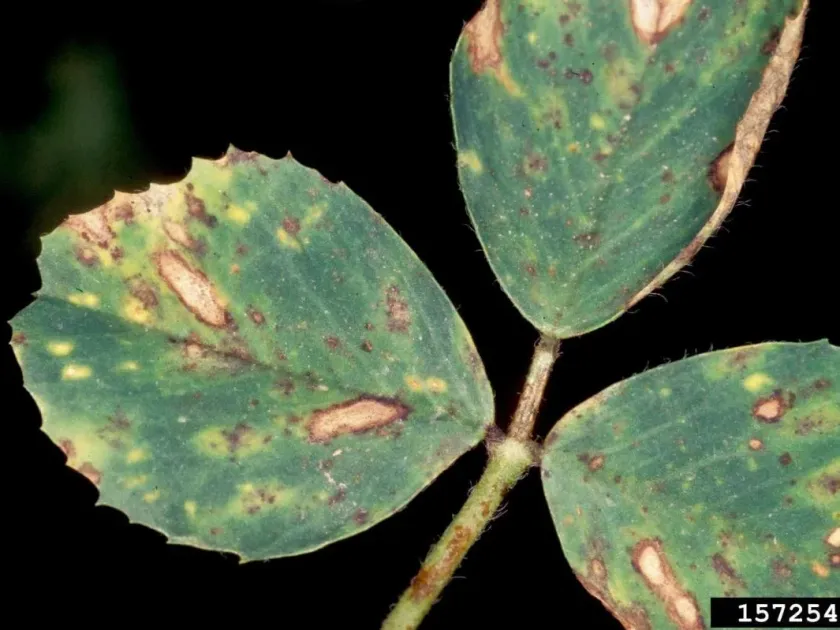
Initial symptoms of Stemphylium blight appear as small, light-colored or brownish spots on older leaves. Over time, these spots expand, often developing a characteristic concentric ring pattern.
In conditions of high humidity, a dark olive-brown to black fungal growth becomes visible on the surface of the lesions. This mass consists of abundant conidia being produced for further infection.
In onion fields, the symptoms are identified as elongated lesions that appear on the leaves. As the infection progresses, these lesions merge, causing the entire leaf tissue to collapse and die.
On tomato plants, lesions may also develop on the stems, creating dark, depressed areas that can weaken the stem and lead to lodging during storms or periods of rapid growth.
Affected tissues eventually become brittle and may tear, causing ragged holes in the leaves. Severe infections lead to total blighting, where the entire canopy turns brown and dies prematurely.
Control measures
Managing Stemphylium blight requires a combination of cultural, biological, and chemical strategies. Proactive prevention is significantly more effective than curative action.
- Practice crop rotation to break the life cycle of the soil-borne pathogen.
- Remove and destroy all plant residue immediately after harvest to reduce inoculum.
- Select resistant cultivars that have been bred specifically for local disease conditions.
- Improve air circulation within the canopy by optimizing plant spacing and pruning.
- Apply targeted fungicides as part of an integrated pest management (IPM) program.
Chemical control is vital in areas with high disease pressure. Preventive sprays using contact or systemic fungicides help protect healthy foliage from initial infections during humid weather.
Nutrient management is also key; ensuring plants are not overly stressed by nitrogen imbalances or micronutrient deficiencies increases their natural resilience to fungal pathogens.
In greenhouses, managing the microclimate is crucial. Utilizing drip irrigation instead of overhead watering and ensuring proper ventilation are the most effective ways to inhibit fungal growth.
Causes diseases · 7
Discussion
No discussions yet — be the first.