
Description
Symptoms
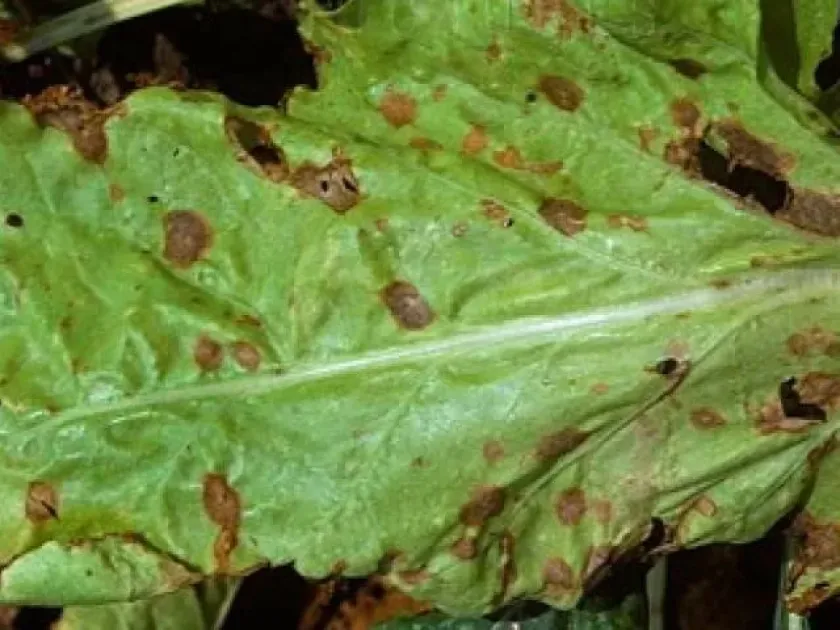
Symptoms typically manifest as small, circular, or irregular necrotic spots on leaves, stems, and pods, often appearing light to dark brown.
A distinctive feature of these spots is the presence of concentric rings, indicating the cyclical growth of the fungus within the infected tissue.
Under humid conditions, an olive-black velvety mold appears on the surface of the lesions, representing the massive production of fungal conidia.
In spinach, the disease causes severe leaf spotting and blighting, which significantly reduces the quality and marketability of the vegetable crop.
Chickpea plants exhibit dark lesions on their pods and seeds, leading to seed shriveling and a substantial reduction in germination vigor.
Pathogen
The causal agent of this disease is the ascomycete fungus Pleospora herbarum (anamorph: Stemphylium botryosum). It is a highly adaptable pathogen found worldwide.
The fungus is a facultative parasite, meaning it can survive both on living plant tissues and as a saprotroph on decaying organic matter in the field.
Infection cycles are perpetuated by conidia, which are easily disseminated by wind and rain splash, allowing for rapid spread across agricultural landscapes.
It possesses a vast host range, infecting various crops including legumes and leafy greens, which makes it a persistent threat in diverse farming systems.
The pathogen's ability to survive in soil and plant residues as sclerotia or mycelium complicates long-term management strategies for crop producers.
Conditions for development
The development of the disease is favored by moderate temperatures (typically between 20°C and 28°C) and high humidity levels throughout the growing season.
Extended periods of leaf wetness, caused by frequent rain, fog, or heavy morning dew, are essential for the germination of spores and subsequent infection.
Dense plant canopies that lack proper ventilation trap moisture, creating a perfect microclimate for the rapid proliferation of Pleospora herbarum.
Plants suffering from nutritional imbalances or environmental stressors are significantly more susceptible to infection compared to healthy, vigorous crops.
The presence of previous season's plant debris on the soil surface serves as a primary source of inoculum that can trigger an early outbreak in new plantings.
Why it matters
Pleospora leaf spot causes significant defoliation, which reduces the photosynthetic capacity of the plant and hinders overall growth and yield development.
In addition to yield loss, the disease negatively impacts the aesthetic and nutritional quality of produce, particularly in leafy vegetables like spinach.
Contaminated chickpea seeds can harbor the fungus internally, leading to pre-emergence damping-off or reduced seedling vigor in subsequent generations.
The economic impact can be severe, especially in high-density production areas where secondary bacterial infections often follow the initial fungal colonization.
Yield losses can range from 15% up to 40% in years with conducive weather conditions, significantly undermining the profitability of the affected crops.
Protection
Integrated management begins with a crop rotation cycle that excludes host plants for several years to allow inoculum levels in the soil to decline.
Sanitation practices, including the deep burial or removal of crop residues, are crucial for reducing the primary inoculum source in the field.
The use of certified, disease-free seeds and effective seed treatment fungicides is recommended to provide initial protection for emerging seedlings.
Foliar fungicide applications should be timed based on scouting reports, targeting the early stages of disease to prevent widespread secondary infections.
- Maintaining adequate row spacing to improve air circulation.
- Balanced NPK fertilization to enhance plant immunity.
- Rotating fungicide chemical groups to prevent the development of resistant pathogen strains.
Pathogens and affected parts
Affects crops · 2
Discussion
No discussions yet — be the first.