
Acremonium
Acremonium
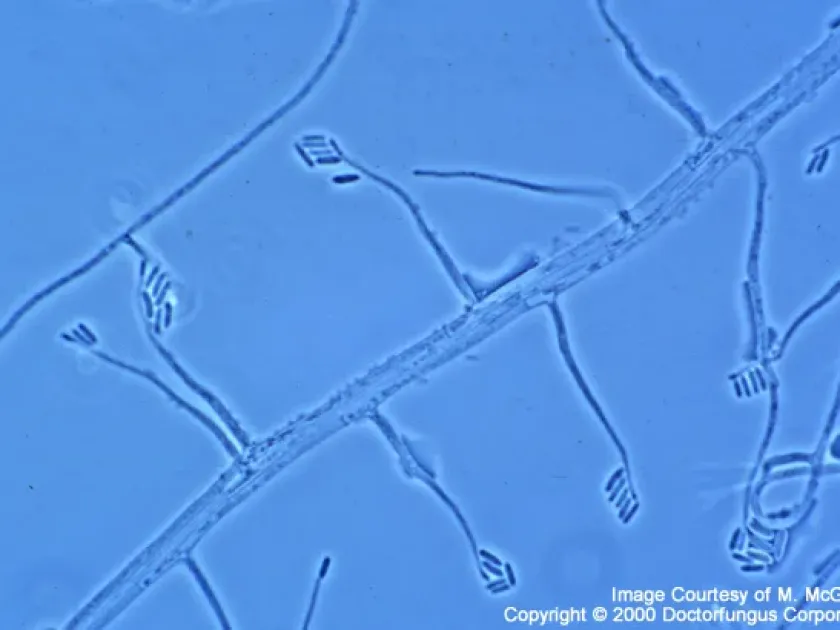
Description
How to identify
Acremonium is a genus of anamorphic fungi within the Ascomycota division. While many species are saprotrophs living in soil and organic debris, several are recognized as significant plant pathogens causing various vascular and root diseases.
The fungus is characterized by the production of delicate hyphae and small, unicellular or bicellular conidia that aggregate into slimy heads at the tips of phialides. These structures are the primary diagnostic features used in mycological identification.
Taxonomically, the genus is complex due to the high morphological similarity between different species, requiring molecular analysis for precise classification in laboratory settings.
Acremonium species are globally distributed and are highly resilient, capable of surviving in diverse soil types and environmental conditions for extended periods.
The ecological role of this fungus is dual; it can exist as an endophyte, maintaining a symbiotic-like relationship with some plants, or transition into a virulent parasite when the host's defenses are compromised.
What it damages
Acremonium pathogens attack a wide range of crops, including cereals, sunflowers, and various vegetable species. They are frequently involved in complex root rot syndromes, often in combination with other soil-borne fungi.
In crops like sunflowers, the pathogen triggers systemic wilt by invading the vascular bundles, physically blocking the xylem and disrupting water transport throughout the plant.
In cereals such as wheat and barley, infection leads to significant reductions in seedling vigor, inhibited root growth, and poor stand establishment, ultimately causing yield losses.
The fungus produces secondary metabolites, including mycotoxins, which can adversely affect the plant's metabolic processes and overall health, even in plants that do not show severe wilting symptoms.
Infection often results in uneven crop maturity and reduced grain quality, as the pathogen interferes with the translocation of photosynthates to the reproductive organs during the filling stage.
When it appears
Primary infection typically occurs in the early spring during germination, when high soil moisture levels provide the necessary conditions for fungal conidia to germinate and penetrate the roots.
The fungus thrives in moderately warm and humid conditions, which are also characteristic of the spring growing season in temperate climatic zones.
Disease development is strongly influenced by environmental stress factors, such as soil compaction, excessive humidity, or nutrient imbalances, which make the crop more vulnerable to invasion.
While the progression of the disease may slow down during hot, dry summer months, the pathogen remains viable within the vascular tissues, waiting for the host to weaken.
Dissemination occurs primarily via rain splashes and wind-borne movement of conidia, allowing the fungus to spread across fields rapidly during rainy periods.
Signs of infestation
Initial symptoms are often nonspecific, resembling general nutrient deficiencies or drought stress, characterized by yellowing of lower leaves and slow, stunted plant development.
A diagnostic sign appears upon cutting the stem: vascular discoloration or browning indicates that the pathogen has successfully colonized the conductive tissues of the plant.
Roots of infected plants often show dark lesions, necrosis, and a reduced number of fine lateral roots, which compromises the plant's ability to absorb water and minerals effectively.
- Stunting of overall plant size.
- Wilting of leaves, starting from the base of the plant.
- Softening of the root crown and potentially the presence of mycelial mats.
Laboratory incubation of symptomatic tissue in a moist chamber usually results in the growth of fluffy, often white or cream-colored, mycelium, which confirms the presence of the pathogen.
Control measures
The most effective strategy for managing Acremonium is long-term crop rotation, which helps reduce the inoculum density of the fungus in the soil over several growing cycles.
Seed treatment with broad-spectrum fungicides is essential for protecting young seedlings from early-season soil-borne infections, ensuring a more uniform crop stand.
Improved soil management practices, such as proper drainage and deep plowing to bury crop residues, are crucial for minimizing the habitat available for fungal overwintering.
Fungicide applications during the early vegetative stages can mitigate damage, although their efficacy is limited once the pathogen has become established systemically.
Maintaining optimal soil fertility and nutrient levels, particularly potassium and phosphorus, reinforces plant tissue structural integrity and helps the crop resist vascular invasion.
Causes diseases · 1
Discussion
No discussions yet — be the first.