
Accumulation of infection
Accumulation of
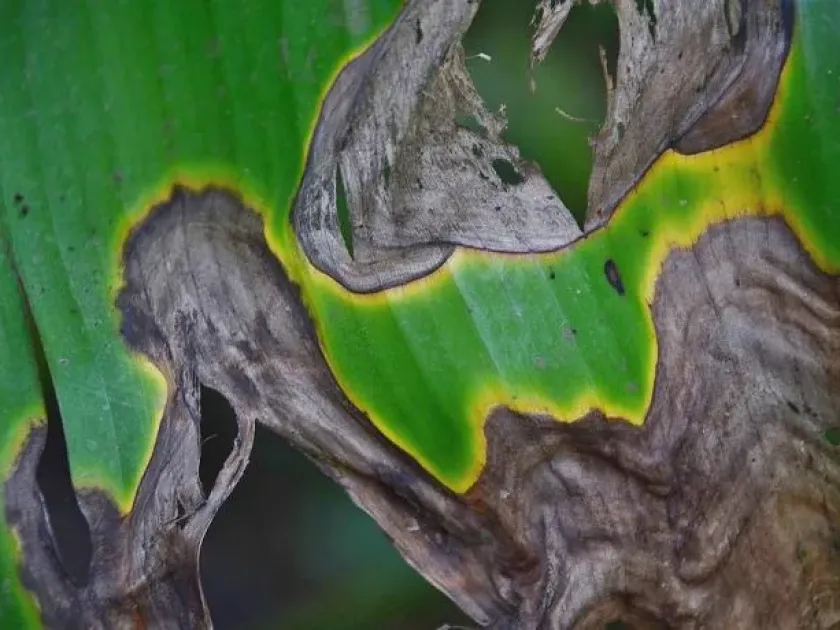
Description
How to identify
Accumulation of infection (inoculum) is the process of increasing the density of pathogen populations within an agro-ecosystem. This phenomenon occurs when fungi, bacteria, or other pathogens reach a threshold concentration that causes widespread plant diseases, significantly impacting yield stability.
Biologically, this process is based on the formation of survival structures such as sclerotia, chlamydospores, or mycelium fragments. These structures allow pathogens to persist in the soil or on crop residues for several years, waiting for the presence of a susceptible host plant to restart the life cycle.
Pathogens involved in this process belong to various taxa, including Ascomycota and Basidiomycota. Their systematic classification dictates their persistence; soil-borne pathogens are particularly adept at maintaining high inoculum levels in the absence of suitable crop rotation practices.
The main drivers of accumulation are monoculture, minimal tillage, and the lack of sanitation in field management. When the same crop is grown repeatedly, the soil microbiome shifts in favor of specific pathogens that are highly adapted to that particular plant species.
Agronomists assess the level of inoculum through field monitoring and soil tests. The critical level of accumulation is signaled by the emergence of disease symptoms early in the season, often indicating that the soil reservoir of the pathogen is extremely active.
What it damages
The accumulation of infection affects a broad range of crops, including cereals, oilseeds, and horticultural varieties. Crops like wheat, sunflower, and potatoes are especially vulnerable, as soil-borne pathogens can significantly reduce plant stand and vigor over multiple consecutive growing seasons.
The damage caused by high inoculum levels includes stunted growth, root rot, vascular wilting, and poor nutrient uptake. In severe cases, high levels of inoculum can lead to complete failure of seed germination or premature plant death, leading to major financial losses.
Beyond quantity, quality is severely compromised. Many pathogens produce secondary metabolites, such as mycotoxins, which are harmful to human and animal health, rendering the harvest unsuitable for commercial use or animal feed.
High pathogen pressure reduces the efficacy of chemical fungicides. When the concentration of inoculum in the soil is too high, the protective shield provided by seed treatments may not be sufficient to protect the developing plant, resulting in early systemic infection.
Root system impairment reduces the plant's capacity to access water, making it extremely sensitive to drought. This combination of biotic stress from pathogens and abiotic stress from climate conditions exacerbates the total damage to the crop.
When it appears
The life cycle of pathogen accumulation spans the entire year, starting in the autumn when pathogens stabilize on crop residues. This period is crucial for the formation of survival structures that will remain in the field throughout the winter months.
In spring, rising soil temperatures and humidity levels trigger the activation of these dormant structures. The initial infection of seedlings occurs rapidly if the soil inoculum density is high, making the early development of the plant a critical stage for disease prevention.
During the summer, secondary infections occur as spores are dispersed by wind, rain splashes, or insect vectors. These cycles can happen every few weeks, creating an exponential increase in the spread of the disease if the environment remains humid and warm.
The secondary cycles allow the pathogen to cover large areas of the field, moving from an initial infection point to a generalized epidemic. Efficient control measures during this period are essential to prevent the pathogen from reaching the reproductive stages.
At the end of the season, the pathogen prepares for dormancy again, completing the cycle. This period is vital for field management, as managing crop residues during harvest time can significantly disrupt the accumulation of inoculum for the next year.
Control measures
The primary control measure is the implementation of a diverse crop rotation, which breaks the pathogen life cycle by removing the host. This strategy forces the pathogen population to decline over time due to the lack of available host tissues.
Mechanical and biological practices, such as the use of residue decomposers, are highly effective. By speeding up the mineralization of plant matter, these methods destroy the habitat where pathogens accumulate during the winter season.
Chemical control focuses on seed treatment and the timely application of fungicides. These treatments act as a barrier, protecting the vulnerable seedling from soil-borne threats during the critical early stages of germination and establishment.
Using resistant cultivars is an essential component of integrated pest management. Resistance reduces the pathogen's ability to multiply within the plant tissue, effectively lowering the amount of inoculum that will be returned to the soil at the end of the season.
- Strict adherence to crop rotation cycles.
- Use of biological stubble decomposers.
- Systemic seed dressing before planting.
- Integrated weed control to remove alternate hosts.
- Strategic tillage to improve the decomposition of organic residues.
Discussion
No discussions yet — be the first.