
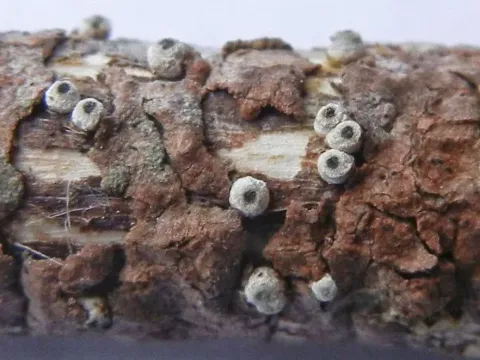
Schizoxylon microsporum
Schizoxylon microsporum
Schizoxylon microsporum belongs to the kingdom Fungi, phylum Ascomycota, and class Leotiomycetes. It is a microscopic fungus that typically acts as a weak parasite or saprotroph on weakened plant tissues.
What the section contains
Schizoxylon microsporum
Systematically, the species is placed within the genus Schizoxylon, known for its small, cup-shaped apothecia. The biological classification is based on the morphological characteristics of these fruiting bodies and microscopic spores.
The fungus is named for its small-sized spores, which allow for efficient dispersal through wind and splashing water. Proper identification requires professional analysis of these structures under a microscope.
The fungus thrives in moderately humid and shaded environments. It often exploits niches in the bark or wood of trees that are under stress, making it a common find in neglected or dense forest stands.
While it is rarely classified as a primary aggressive pathogen, its presence indicates a decline in the host plant's overall health and vitality, necessitating further horticultural intervention.
The fungus mainly affects woody plants and shrubs, specifically targeting the bark and cambial layers. It is often found on weakened trees that have suffered from environmental stress factors.
In agricultural and ornamental settings, the pathogen causes necrotic lesions on stems and branches. This damage disrupts the plant's vascular system, hindering the transport of water and nutrients.
Secondary damage occurs when the necrotic areas become entry points for other opportunistic pathogens, which can lead to more severe structural damage to the tree's wood tissues.
Young nursery stock is particularly vulnerable if damaged by cold or physical injuries. Once the fungus enters the host tissue, it colonizes the inner bark, causing gradual tissue death.
Economic losses are associated with decreased aesthetic value in ornamental plants and the need for frequent sanitation measures to prevent the spread of the fungus within the plantation.
The most visible sign of infection is the presence of small, whitish or grayish cup-shaped apothecia emerging from the bark. These fruiting bodies are key markers for field diagnostics.
The bark surrounding the infection site often turns dark, becomes brittle, and may show signs of deep cracking. Beneath the surface, the wood may exhibit decay and loss of structural integrity.
Leaves on infected branches often display symptoms of chlorosis, premature yellowing, and drying. This is a direct consequence of the vascular damage caused by the fungal mycelium colonizing the cambium.
During periods of high humidity, a faint powdery or whitish coating may be visible around the fruiting bodies, indicating the production of conidia for further dispersal.
If the bark is carefully peeled away at an infection site, the cambium often shows a necrotic, brownish discoloration, providing clear evidence of the fungus's deep-reaching physiological impact.
The primary control strategy involves good horticultural practice, focusing on maintaining tree health and vigor. Healthy plants are far more resistant to infection by Schizoxylon microsporum.
Sanitation is critical; all dead or visibly infected branches should be promptly pruned and burned to eliminate the inoculum source. Always ensure that the cuts are made correctly to promote rapid wound healing.
Chemical control measures are recommended only in cases of severe infestation. Copper-based fungicides or systemic chemical treatments applied early in the season can help reduce primary infection rates.
All pruning tools must be disinfected between trees to prevent the mechanical transmission of the fungus. Using a 70% ethanol solution or other appropriate disinfectants is highly effective.
Ensuring balanced soil nutrition and avoiding excessive nitrogen applications helps keep plant tissues firm and less susceptible to the colonization of this particular fungal pathogen.