
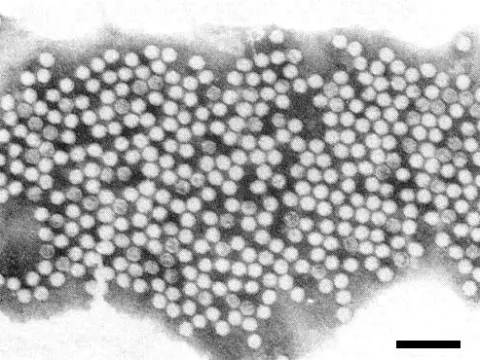
Satsuma dwarf virus
Satsuma dwarf
Satsuma dwarf virus (SDV) is a plant-pathogenic RNA virus that belongs to the genus Sadwavirus in the family Secoviridae. It is recognized as a major threat to citrus production, particularly in Japan and East Asian countries.
What the section contains
Satsuma dwarf virus
The virus is unique in its transmission method, as it primarily spreads through infested soil. Unlike many viral diseases transmitted by aphids or whiteflies, SDV relies on soil contact for its dissemination.
The primary vector for the virus is the soil-dwelling nematode Longidorus martini. These nematodes facilitate the movement of the virus between the root systems of infected and healthy citrus trees.
Mechanical transmission is another significant concern. Agricultural practices, such as pruning or transplanting, can spread the virus if tools become contaminated with soil particles containing the infectious agent.
Once established in an orchard, the virus remains persistent in the soil, making it extremely difficult to eradicate without intensive site sanitation and management practices.
SDV affects a wide range of citrus species, including satsuma mandarins, oranges, and grapefruits. The pathogen can cause systemic infection, severely impacting the long-term health of the citrus orchard.
The most devastating impact is on crop yield and fruit quality. Infected trees produce fruits that are undersized, misshapen, and commercially unattractive, leading to major economic losses for growers.
As the infection progresses, the metabolic processes within the tree are disrupted. This leaves the plants more susceptible to environmental stresses, including moisture fluctuations and nutrient deficiencies.
Chronic infection results in a steady decline in the tree's vigor. Over time, the tree becomes unable to maintain productive growth cycles, eventually requiring removal from the commercial plantation.
In addition to yield loss, the cumulative effect of the virus degrades the overall orchard uniformity, complicating maintenance and harvest operations for the entire farm.
The hallmark symptom of SDV infection is the dramatic deformation of foliage. Leaves often exhibit characteristic shapes described as boat-shaped, spoon-shaped, or lanceolate, with stunted overall growth.
Affected trees display severe stunting, as the virus causes a significant reduction in shoot internode length. This results in an unnaturally dense, brush-like canopy structure.
Fruit symptoms include not only small size but also structural deformities and inconsistent rind coloration. These visible signs make early detection possible for trained agronomists during field scouting.
Young shoots on infected trees may appear brittle and deformed. In some cases, chlorotic spotting or mosaic patterns can appear on the leaves, though leaf shape distortion remains the most reliable diagnostic indicator.
The intensity of symptoms can vary based on the specific strain of the virus and the susceptibility of the citrus cultivar, but the growth reduction is universally present in infected specimens.
Successful management of SDV relies heavily on the use of virus-free nursery stock. Implementing strict quarantine measures and sourcing planting material from certified clean programs is essential.
Orchard hygiene is critical to prevent mechanical transmission. All tools and equipment should be thoroughly disinfected after working in any area where virus presence is suspected.
Controlling the nematode population is a key component of preventing the spread. Application of specialized nematicides or soil solarization in controlled environments can reduce the vector presence.
Farmers should avoid transferring soil between different orchard blocks. Restricting the movement of machinery and cleaning shoes before entering healthy zones can significantly reduce the risk of spreading the virus.
When symptomatic trees are identified, they should be immediately uprooted and destroyed, including the entire root system, to eliminate the potential source of infection for the remaining trees.