
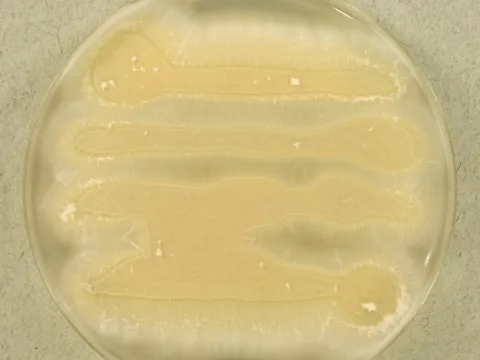
Sarocladium strictum
Sarocladium strictum
Sarocladium strictum is a filamentous fungus belonging to the Ascomycota phylum. It is widely recognized as a plant pathogen capable of causing significant diseases in various agricultural crops, specifically in graminaceous plants.
What the section contains
Sarocladium strictum
The fungus is characterized by its septate hyphae and the production of slimy heads of conidia on long, slender phialides. Morphologically, colonies are typically white and may turn pinkish over time. It functions as both a saprophyte and a facultative parasite.
This pathogen is primarily known for causing sheath rot in rice, a disease that can cause substantial yield losses globally. It also affects other cereal crops such as sorghum, pearl millet, and maize, often causing lesions on the leaves and stems.
In addition to cereals, Sarocladium strictum has been documented to cause disease in various other plants, including orchids, banana plants, and certain vegetables. It contributes to plant weakness and can exacerbate the effects of other concurrent diseases.
The most distinctive symptom is the appearance of oblong, grayish-brown lesions on the leaf sheaths enclosing the young panicle. These lesions often expand rapidly under high humidity, leading to the decay of the sheath tissues.
In advanced stages, a dense, white, powdery or fluffy mold (the mycelial growth of the fungus) can be observed inside the sheath. This infection prevents the panicle from emerging properly, leading to incomplete emergence or "chaffy" (empty) grains.
The development of the disease is strictly dependent on environmental conditions, particularly high humidity and temperatures ranging between 25°C and 30°C. The disease usually peaks during the heading stage of the crop.
Spore dissemination occurs primarily through rain splashes and wind. Insect vectors, particularly stem borers or other insects causing injuries to the plant, play a significant role in introducing the pathogen into the plant tissues.
Managing this pathogen requires an integrated pest management (IPM) approach. Prevention is key, starting with the selection of resistant cultivars and the use of certified, clean seeds.
- Reducing nitrogen fertilization to prevent excessive canopy density.
- Implementing proper field sanitation by removing crop debris after harvest.
- Using appropriate fungicide treatments, such as carbendazim or similar systemic compounds.
- Maintaining proper field drainage to reduce local humidity levels.
- Controlling insect populations to minimize mechanical entry points for the fungus.