
Rice grassy stunt
Rice grassy
Rice grassy stunt is a viral disease caused by the Rice grassy stunt virus (RGSV), a member of the Tenuivirus genus. As an obligate parasite, it requires a living host or a specific insect vector for survival and transmission.
What the section contains
Rice grassy stunt
The virus is characterized by a segmented genome consisting of single-stranded RNA molecules. This structure allows the virus to adapt quickly to different environmental conditions and host varieties, posing a constant threat to rice production.
Wild rice species and various grassy weeds serve as the primary reservoir for the virus, especially in areas where rice is cultivated throughout the year. The virus persists within the insect vector for its entire life cycle.
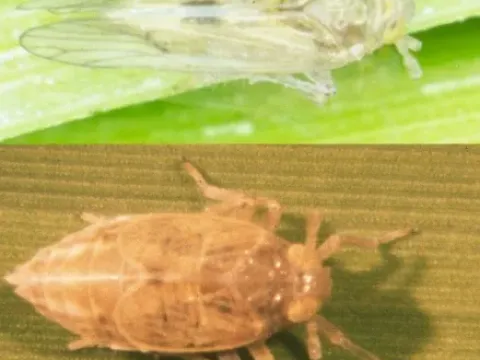
The brown planthopper, Nilaparvata lugens, is the primary vector for this virus. Transmission is persistent; after feeding on an infected plant, the planthopper undergoes an incubation period before it becomes capable of transmitting the virus to healthy crops.
Identification in the field is based on symptoms, but laboratory confirmation using ELISA or PCR is necessary for accurate diagnosis. These methods detect the viral RNA, ensuring that the pathogen is correctly identified and distinguished from other similar disorders.
The disease primarily targets rice crops (Oryza sativa) in intensive agricultural regions. While plants can be infected at any growth stage, early-stage infections result in the most significant losses to potential yield.
Severe infestations lead to near-total crop failure, as the infected plants typically fail to produce harvestable grain. In epidemic conditions, the virus can spread across large paddy fields, causing substantial economic disruptions.
The impact of the disease is reflected in reduced grain weight and poor milling quality. Plants infected later in the season may produce empty or deformed panicles that do not meet the standards required for human consumption.
Economic losses include both direct yield reduction and the increased costs associated with vector control programs. For seed-producing farms, the disease poses an additional risk of contaminated stock, requiring rigorous quarantine measures.
In many parts of Southeast Asia, this disease remains a limiting factor in rice productivity. The requirement for ongoing monitoring and insecticide usage adds to the production costs and complicates sustainable farming practices.
The most common symptom is a dramatic reduction in leaf size, accompanied by significant chlorosis. The plant exhibits excessive tillering, resulting in a stunted, dense, and "grassy" appearance that gives the disease its name.
Infected plants show severe stunting, remaining significantly shorter than healthy rice plants of the same variety. Despite the proliferation of tillers, the plants lack the vigor required for productive growth.
Leaves on infected plants are often narrow, upright, and pale-green or yellow. In some cases, light chlorotic spots or stripes may appear along the leaf blades, indicating the movement of the virus through the plant's vascular system.
Panicles are either not formed at all or are significantly reduced, often remaining trapped inside the leaf sheath. If grain develops, it is typically poorly filled, lightweight, and discolored, rendering it unsuitable for commercial processing.
Root systems of infected plants often become necrotic, which exacerbates the plant's inability to absorb water and nutrients. Consequently, the field appears patchy, with affected plants showing signs of severe physiological stress and poor establishment.
The primary management strategy involves the use of rice cultivars that are genetically resistant to the virus or tolerant to the brown planthopper. Breeding for resistance remains the most effective long-term solution.
Controlling the population of Nilaparvata lugens is crucial for reducing viral spread. Integrated pest management (IPM) practices, including the use of light traps and field monitoring, help determine when insecticide applications are necessary.
Agricultural hygiene is essential; destroying weeds and rice stubble in and around the paddy fields eliminates the reservoirs of the virus during the off-season. Proper sanitation reduces the primary inoculum for the next crop cycle.
Spatial and temporal isolation of rice crops can help mitigate the risk of infection. By adjusting sowing dates, farmers can ensure that the most vulnerable developmental stages of the rice do not coincide with the seasonal peaks of planthopper activity.
- Apply systemic insecticides during high-risk periods.
- Remove and destroy infected plant debris immediately after harvest.
- Implement crop rotation to disrupt the life cycle of the planthopper.
- Source high-quality, virus-free seeds from reputable suppliers.