
Rice hoja blanca virus
Rice hoja
Rice hoja blanca virus (RHBV) is a plant pathogenic virus belonging to the genus Tenuivirus. It is one of the most destructive diseases affecting rice crops in the Americas.
What the section contains
Rice hoja blanca virus
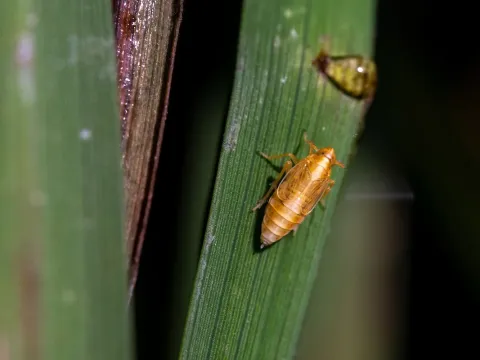
The virus possesses a segmented genome composed of single-stranded RNA. Its transmission is exclusively mediated by the planthopper Tagosodes orizicolus, which acts as a vector.
RHBV has a unique biological cycle involving transovarial transmission, meaning the virus is passed from adult females to their offspring through the eggs, ensuring viral persistence.
Rice (Oryza sativa) is the primary host, but the virus can survive in various wild grass species that grow near rice fields, serving as reservoirs during the off-season.
Diagnosis requires specialized techniques such as Enzyme-Linked Immunosorbent Assay (ELISA) or RT-PCR to detect the presence of viral RNA in plant tissues or insect vectors.
The damage caused by RHBV is severe, often resulting in significant yield losses. In extreme cases, complete failure of the rice crop can occur in highly infested fields.
Infected plants exhibit stunted growth and reduced tillering, which severely limits the plant's photosynthetic capacity and total biomass accumulation throughout the growing season.
The reproductive development is heavily impacted, leading to panicles that are distorted, empty, or fail to emerge properly from the sheath of the flag leaf, resulting in sterility.
Crop quality is drastically reduced, as the grains produced by infected plants are usually unfilled, chalky, and do not meet commercial quality standards for milling or consumption.
The economic impact is compounded by the necessity of increased pesticide use to control the vector population, which adds to production costs and affects environmental sustainability.
The name "hoja blanca" translates to "white leaf," which describes the most diagnostic symptom: white or pale yellow longitudinal stripes on the leaf blades.
In severe infections, the entire leaf may become chlorotic and turn white. The plants appear significantly smaller and more yellow compared to healthy plants in the same plot.
Affected leaves tend to show curling and necrosis over time. The overall architecture of the plant is stunted, making the rice stand look uneven and patchy to observers.
When the plant reaches the heading stage, the panicles often stay trapped inside the leaf sheath due to the systemic hormonal disruption caused by the virus.
Observation of the field reveals clusters of plants with abnormal coloration and stunted development, which are reliable indicators of RHBV infestation in the rice canopy.
Breeding and planting resistant rice varieties is the most sustainable and effective strategy for managing Rice hoja blanca virus and protecting yields against outbreaks.
Vector management is crucial; farmers should monitor populations of Tagosodes orizicolus and apply selective insecticides when population thresholds are exceeded.
Cultural practices, such as removing wild grasses near rice fields and avoiding overlapping planting seasons, help reduce the reservoir of the virus and the population of the vectors.
Proper timing of sowing is recommended to avoid the peak activity periods of the planthopper, which is highly influenced by weather conditions and local ecological factors.
Stringent quarantine regulations must be enforced to prevent the movement of infected plant material into areas where the virus or its specific vector is not yet established.