
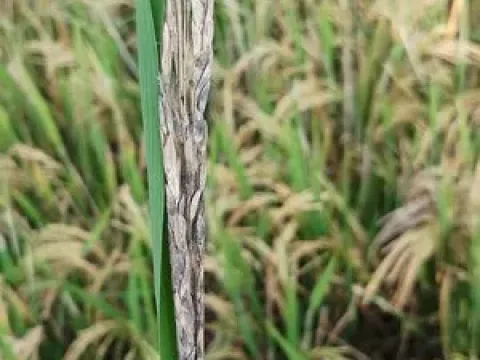
Rice ephelis
Ephelis oryzae
Rice ephelis (Ephelis oryzae), also known in its sexual stage as Balansia oryzae, is an ascomycete fungus that acts as a specialized plant pathogen.
What the section contains
Rice ephelis
The fungus is primarily recognized as the causal agent of the Udbatta disease in rice, a systemic infection that significantly impacts the reproductive organs of the host plant.
Taxonomically, it belongs to the Clavicipitaceae family. The pathogen is known for its ability to produce dense fungal structures called stromata that replace the floral parts of the plant.
The lifecycle involves the production of conidia, which are wind-dispersed, allowing the pathogen to move effectively across rice paddies during favorable weather conditions.
Microscopic examination of the infected tissue typically reveals the presence of fungal hyphae and reproductive structures that are characteristic of this specific genus.
The primary host for this pathogen is cultivated rice (Oryza sativa). It is a major concern in tropical and subtropical rice-growing regions where humidity is consistently high.
The fungus severely interferes with the plant's reproductive cycle by colonizing the panicle. This results in the formation of a sterile, distorted, and hardened mass instead of healthy grain.
Yield loss due to Ephelis oryzae can be substantial, as infected plants become completely unproductive. In severe outbreaks, the entire field's productivity is compromised.
The pathogen also infects wild grasses, which act as secondary hosts or reservoirs. This complicates disease management, as the fungus can persist in the environment even in the absence of a rice crop.
Infected plants are often stunted and show a lack of vigor, which prevents them from competing with healthy plants and reduces overall harvest quality.
The disease development is most active during the boot stage of the rice plant. This is when the emerging panicle is most susceptible to fungal colonization.
High relative humidity and warm temperatures are the primary drivers of infection. Rain events facilitate the spread of spores from infected plant debris to the developing healthy tissues.
The inoculum persists in soil and crop debris over winter. Therefore, the history of a specific paddy is a crucial factor in the potential severity of the disease in the following season.
Favorable conditions for fungal growth during the critical period of panicle initiation often lead to widespread outbreaks, especially in areas with poor drainage.
The cycle is completed as the fungus forms persistent stromata, ensuring its survival during the off-season or until the next planting cycle begins.
The most distinctive symptom of Udbatta disease is the suppression of the panicle, which remains trapped inside the leaf sheath and fails to emerge properly.
The infected panicle is often covered with a grayish or black fungal growth, which is the hallmark of this pathogen's presence in the field.
- Distortion and malformation of the panicle.
- Hardened fungal stromata replacing the normal floral structure.
- Total sterility of the affected rice spikes.
- Presence of a grayish-white mycelial cover on plant parts.
- Premature yellowing or stunting of the plant height.
As the infection progresses, the tissues become hard and brittle, which is often visible to the naked eye during regular field scouting.
The use of disease-free seeds is the most effective preventative strategy. Treating seeds with appropriate fungicides can significantly reduce the risk of primary infection.
Good agricultural practices, such as deep plowing to bury infected crop residues, are essential to break the survival cycle of the pathogen in the soil.
Systemic fungicides applied before the boot stage of rice can provide a protective barrier against colonization and mitigate the impact of the disease.
Managing water levels and ensuring proper field drainage are important tactics to prevent the creation of a microclimate conducive to rapid fungal growth.
Integrated Pest Management (IPM) programs, including regular crop monitoring and the removal of infected wild grasses, help maintain low pathogen levels across the farm.