
Rice necrosis
Rice necrosis
Rice necrosis is a viral disease caused by the Rice necrosis mosaic virus (RNMV). This pathogen is categorized within the genus Bymovirus and the family Potyviridae, functioning as an obligate plant parasite.
What the section contains
Rice necrosis
The virus relies on the soil-borne plasmodiophorid fungus Polymyxa graminis for transmission. The zoospores of this fungus penetrate the root hairs of young rice plants, introducing the virus into the vascular system.
Structurally, the virus consists of filamentous particles containing single-stranded RNA. Its classification highlights its reliance on environmental factors that support both the fungal vector and the host crop.
The pathogen is highly persistent in the soil, as the resting spores of the fungal vector can remain viable for several years, ensuring infection persists across multiple planting seasons.
Accurate diagnosis requires molecular testing or ELISA methods to differentiate viral necrosis from nutrient deficiencies or fungal blight diseases prevalent in rice cultivation.
The primary host for this virus is the cultivated rice plant (Oryza sativa). Infections early in the growing season are the most detrimental, causing systemic disturbances in the plant's development.
The virus interferes with the host's metabolic functions, leading to stunted growth, reduced photosynthetic efficiency, and significant biomass loss across the field.
Physiological damage manifests as leaf chlorosis and necrosis, which impair the plant's ability to produce energy during critical stages such as tillering and panicle initiation.
Infected crops often exhibit reduced panicle size and grain filling, directly correlating to a decline in total yield and poor grain quality at harvest time.
The prevalence of alternative hosts, including various wild grasses, creates a continuous cycle of infection that poses a constant threat to rice production systems.
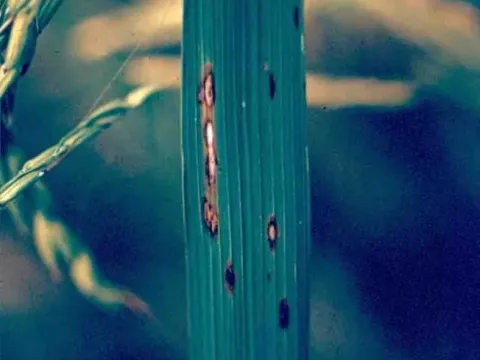
The disease is marked by the emergence of chlorotic stripes along the leaf veins, which eventually transition into brown necrotic patches as the infection progresses.
Symptoms often manifest as a mosaic pattern of light green and yellow discoloration, particularly visible on the younger leaves during the initial phases of vegetative growth.
Plants affected by severe infections exhibit dwarfism and a distinct lack of vigor, resulting in uneven canopy development across the affected paddy fields.
In advanced cases, leaf tissue may curl and wither prematurely, leading to a reduction in the number of productive tillers and potential sterility of the grain.
- Veinal chlorosis on leaves.
- Progressive necrotic striping.
- Plant stunting and reduced vigor.
- Delayed reproductive stages.
- Poor panicle filling and yield loss.
The primary strategy for managing rice necrosis is the deployment of resistant or tolerant rice cultivars, which remain the most reliable method for mitigating economic damage.
Integrated weed management is crucial, as the removal of reservoir weed species prevents the buildup of the viral population within the surrounding agricultural environment.
Strict sanitation protocols, such as cleaning equipment before moving from infested to clean fields, are essential to halt the mechanical spread of the fungal vector's spores.
Implementing crop rotation cycles can help reduce the density of resting spores in the soil, although this requires long-term planning due to the pathogen's high persistence.
Effective water management and soil fertility optimization are recommended to bolster crop health, helping plants withstand stress, though they cannot eradicate the viral infection itself.