
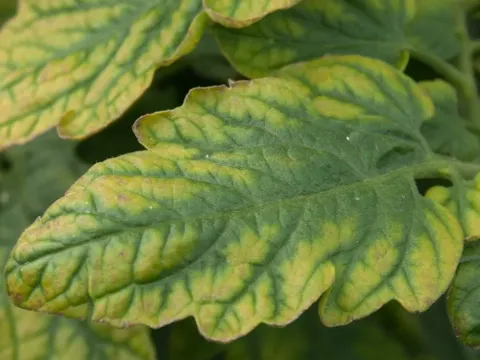
Nutrient deficiencies
Nutrient deficiencies
Nutrient deficiencies represent a group of physiological disorders in plants caused by the lack of essential macro- or micronutrients in the growing medium. Unlike pathogenic diseases, this condition is non-infectious and does not involve biological agents, meaning it cannot spread through spores or bacterial infection.
What the section contains
Nutrient deficiencies
Identification is primarily based on visual symptoms. Plants exhibit specific signs depending on whether the missing element is mobile or immobile. Mobile nutrients like nitrogen, potassium, and magnesium show deficiency symptoms in older leaves first, as the plant relocates them to newer growth.
Immobile nutrients such as calcium, boron, and iron produce symptoms in the youngest leaves and the terminal bud. Careful observation of where symptoms appear is the first step in accurate diagnosis for any professional agronomist.
It is vital to distinguish nutritional stress from pathogenic attacks. While diseases often appear as localized, irregular, or spreading lesions with fungal or bacterial signs, nutrient deficiencies typically appear as uniform or symmetrical changes across the plant foliage.
Advanced diagnostic techniques, including soil chemical analysis and tissue testing, provide quantitative data. These methods identify hidden hunger before visible symptoms arise, allowing for corrective actions to be taken in time.
Nutrient deficiencies adversely affect all crop species, drastically reducing photosynthetic efficiency and overall plant vigor. The stunted growth and metabolic dysfunction directly translate into significant yield losses and reduced product quality.
When plants lack essential minerals, their natural defense mechanisms against biotic and abiotic stressors become compromised. This makes the crop significantly more susceptible to subsequent infestations by fungi, bacteria, and pest insects.
Economic damage is severe, as deficient plants produce smaller, distorted, or lower-quality fruits and vegetables. For grain crops, mineral starvation can result in shriveled kernels, poor grain filling, and an overall reduction in harvesting efficiency.
Long-term nutritional imbalance can lead to structural changes in the plant, such as weak stems, poorly developed root systems, and premature senescence of the foliage. This reduces the lifespan of the plant and limits its ability to accumulate nutrients for the next season.
- Reduced biomass and stunted vertical growth.
- Chlorosis (yellowing) or necrosis (browning) of leaf tissue.
- Failure to flower or fruit properly.
- Increased susceptibility to environmental stress.
- Deformities in roots, stems, and reproductive organs.
Symptoms often peak during periods of rapid vegetative growth, when the plant's metabolic demand for nutrients exceeds the capacity of the root system to absorb them from the soil. This is most common during the vegetative stages and fruit expansion.
Early spring is a high-risk period for phosphorus deficiency, as cool soil temperatures limit nutrient uptake, even if the element is present. Plants often show stunted, purple-tinted foliage during these cooler months.
Mid-summer heat can induce calcium and micronutrient deficiencies. High transpiration rates coupled with low soil moisture can restrict the flow of water through the xylem, causing nutrient delivery to reach a bottleneck in the upper canopy.
Reproductive phases demand a surge in nutrients. During flowering and seed development, plants often mobilize resources from older leaves, which can lead to rapid chlorosis if the plant has not been adequately supplied with stored minerals.
Post-harvest periods are also critical for perennial crops. Deficiency during the end of the season prevents the proper accumulation of carbohydrates, leading to poor bud formation and winter survival in the following year.
Chlorosis is the most common visual sign, caused by the breakdown or inhibition of chlorophyll production. It can appear as interveinal yellowing, marginal yellowing, or generalized paling depending on the specific nutrient lacking.
Necrosis represents advanced starvation, appearing as dead or brown patches on the leaves. This tissue death significantly reduces the plant's photosynthetic capacity, often leading to early leaf abscission and reduced plant vitality.
Morphological deformations, such as curled leaves, twisted stems, or rosetting, are classic indicators of micronutrient deficiencies like boron or zinc. These structural issues can permanently affect the crop's growth architecture.
Color changes, such as the appearance of anthocyanins (purples) or bronze hues, are indicative of specific metabolic blockages, often linked to phosphorus deficiency or phosphorus/potassium imbalances under temperature stress.
Reproductive failure, including flower drop or seedless fruits, signals a severe shortage of nutrients essential for pollination and cell division, often occurring silently before the vegetative parts show significant damage.
The primary control strategy is a proactive nutrient management plan based on regular soil testing. By determining soil pH and nutrient availability, agronomists can apply site-specific fertilizer rates that match the crop's actual requirements.
Managing soil pH through liming is essential for unlocking trapped nutrients. Many minerals become chemically unavailable to roots in overly acidic or alkaline environments, making soil conditioning the most cost-effective long-term solution.
Foliar application serves as a rapid intervention when deficiencies are identified. Chelated micronutrient sprays are highly effective at correcting acute shortages within a short timeframe, as they bypass soil-related uptake issues.
Implementing a split-application strategy for nitrogen and potassium helps maintain consistent nutrition throughout the season. This reduces losses through leaching and ensures that nutrients are available during the most critical growth stages.
Improving soil organic matter and moisture management enhances the overall health of the rhizosphere. This promotes a robust root system, which is the most effective biological tool for maximizing nutrient uptake efficiency from the growing medium.